ZZ Plant Care: The Best Plant for Forgetful Owners
How do I care for a ZZ plant with minimal effort?
On this page
Why the ZZ Plant Is Perfect for Forgetful Owners
If you want a plant that thrives on being ignored, the ZZ plant (Zamioculcas zamiifolia) is your match. The short answer to caring for it with minimal effort: treat it like a cactus, not a typical houseplant. Water it rarely, give it whatever light your apartment offers, and otherwise leave it alone.
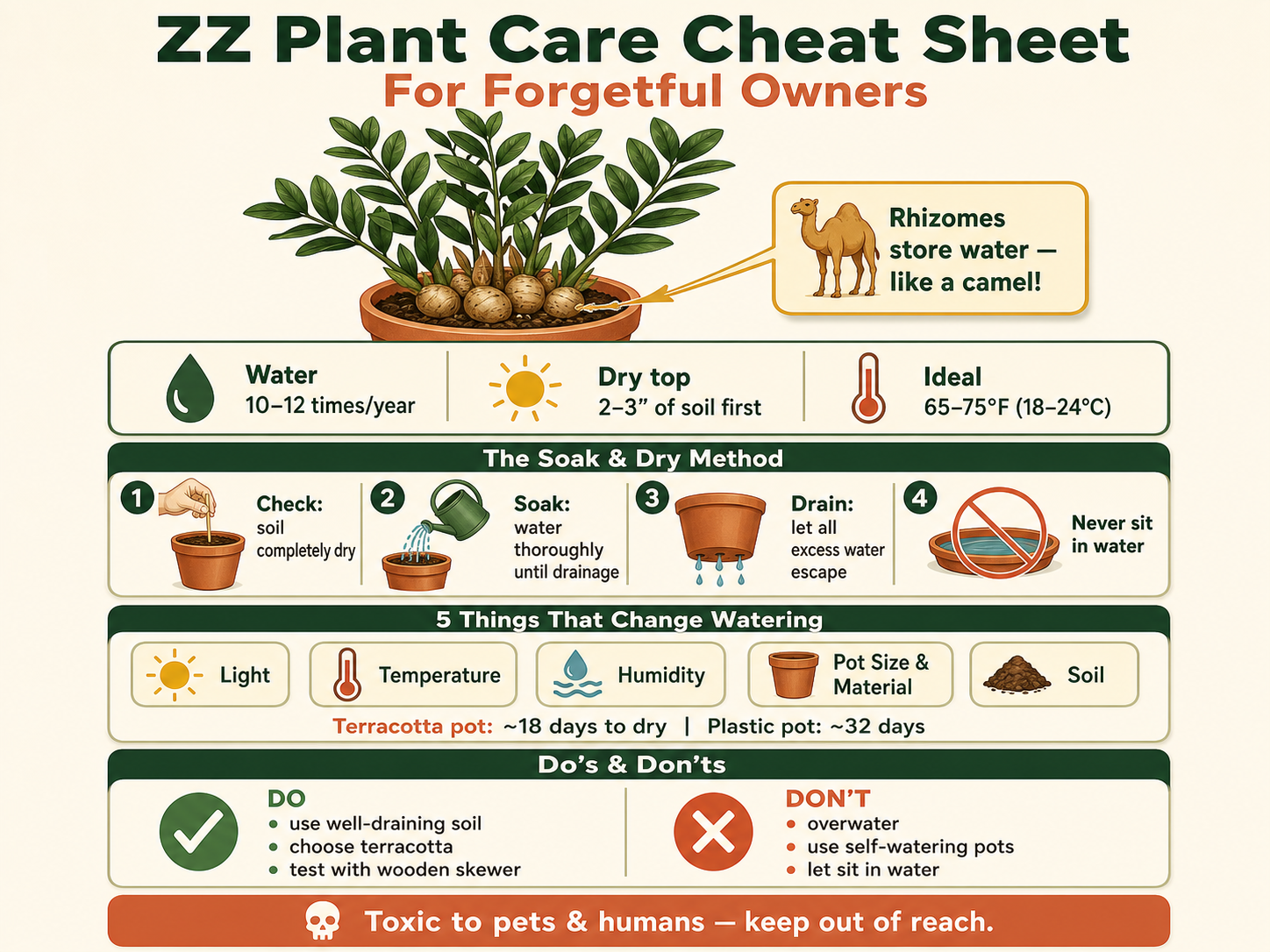
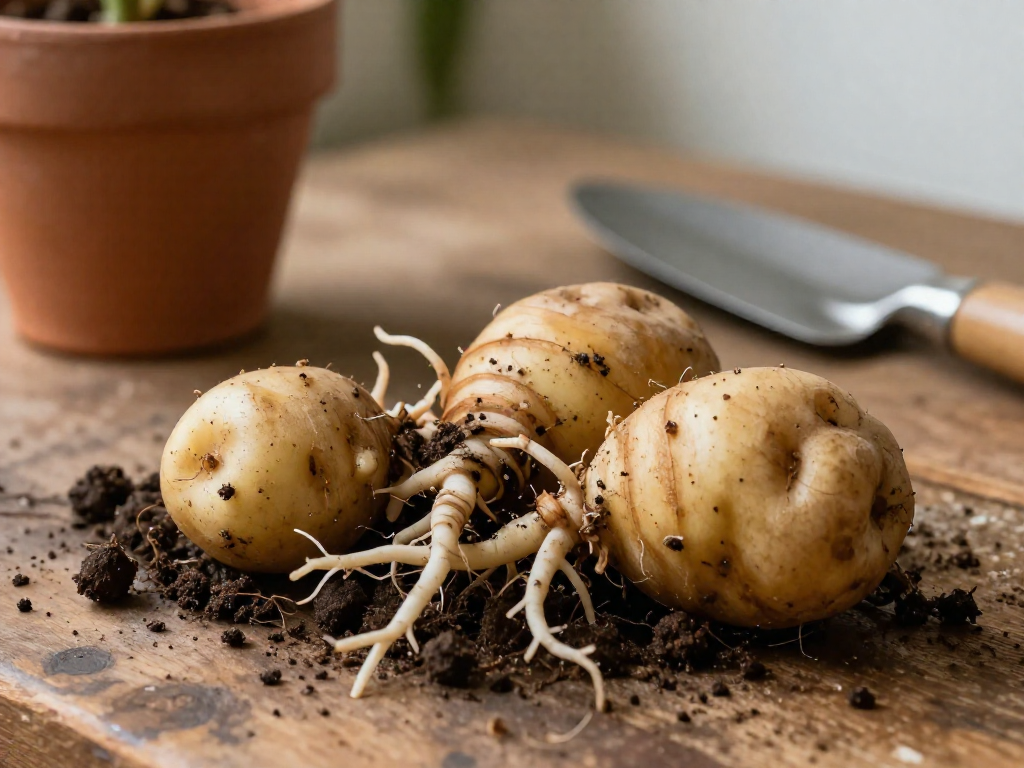
That neglect-tolerance isn't a happy accident—it's built into the plant's biology. The ZZ plant is native to the arid open woodland savannahs of Eastern Africa, from Kento to South Africa, where rain is unreliable for weeks at a stretch. To survive, it stores water in two places: thick, potato-like rhizomes (underground stems that act as water-storage reservoirs, not roots) and succulent leaves that are roughly 91% water.
Those rhizomes are the secret. They function as hydraulic reservoirs, letting the plant coast through weeks—even months—without a drink. So when you forget to water it, you're doing exactly what it's evolved to expect.
This is why Clemson Cooperative Extension rates the ZZ plant as a novice-level plant: it's genuinely hard to kill through neglect. The real danger is the opposite. Watering it on a normal houseplant schedule floods a plant designed for the desert—which sets up every care instruction that follows.
How Often to Water a ZZ Plant (The One Thing That Matters Most)
Water your ZZ plant only when the top 2-3 inches of soil are completely dry—never on a fixed calendar schedule. This is the single most important skill to get right, because the ZZ plant is far more likely to die from too much water than too little.
In practice, that dryness test usually lands you in this rhythm:
- Spring and summer: roughly every 2-4 weeks
- Fall and winter: every 4-8 weeks
For most mature plants in 6-8 inch pots, that works out to just 10-12 waterings per year. Clemson Cooperative Extension puts it simply: water only 1-2 times a month, and only after the potting mix has dried out completely.
How to check if it's actually dry
Don't guess by the calendar—check the soil each week. Push a finger, a wooden skewer, or a moisture meter down 2-3 inches. If it comes out dry and clean, it's time to water. If it feels cool or damp, wait and check again in a few days.
Use the soak-and-dry method
When it is time, water thoroughly rather than in little sips:
- Take the pot to the sink.
- Pour water evenly over the soil until it runs freely from the drainage holes—this soaks the entire root ball and the thick underground stems (called rhizomes) that store the plant's water reserves.
- Let it drain completely before setting it back on its saucer.
Never leave the pot sitting in standing water. That's the fastest route to root rot.
When you're unsure, wait. Underwatering a ZZ plant is easy to fix; overwatering often isn't. A thirsty ZZ recovers quickly after a drink—a waterlogged one may not recover at all.
The 5 Things That Change How Often You Water
Here's why copying a friend's "every two weeks" schedule backfires: watering isn't set by the calendar, it's set by your specific conditions. Five variables decide how fast your soil dries out:
- Light — more light means faster drying
- Temperature — warm rooms dry soil quickly; cool rooms hold moisture
- Humidity — dry apartment air pulls water out faster
- Pot size and material — the biggest lever (more below)
- Soil — chunky, fast-draining mixes dry sooner than dense ones
Pot material matters most. A 6-inch terracotta pot (unglazed clay that breathes and wicks moisture out through its walls) can dry in about 18 days, while the same-size plastic pot holds water for around 32 days—nearly twice as long.
Now stack the variables together. A small terracotta pot in sunny, hot Phoenix might need water every 18 days in June. A large plastic pot in a dim 62°F Seattle basement could go 10 weeks in December. Same plant, wildly different needs—which is exactly why one number can't work for everyone.
One warning: skip self-watering pots. ZZ plants can't tolerate constant saturation and will rot in them. If you bottom-water (setting the pot in a tray of water to soak up from below), limit it to 10–15 minutes, then drain.
The takeaway: don't memorize a schedule. Learn to read your own conditions.
How to Tell If Your ZZ Plant Is Thirsty (Simple Tests)
Before you water, confirm the soil is actually dry. ZZ plants store water in thick underground stems called rhizomes, so they hold moisture far longer than they look. These three tool-free checks take seconds.
1. The finger test. Push a finger straight down into the soil. If the top 2–3 inches feel completely dry, it's safe to water. If you feel any coolness or moisture, wait.
2. The wooden skewer test. Push a clean, unvarnished chopstick or skewer down to the bottom of the pot and leave it for 5 minutes. Pull it out and look: a dark, damp stain means there's still usable water below, so hold off. No discoloration means the pot is dry enough to water.
3. The leaf firmness test. Gently squeeze a few leaves. Firm leaves mean the plant is fine; soft or limp leaves mean it's time to water.
Watch for thirst signals, too. A thirsty ZZ warns you early with slight wrinkles on its stems or by dropping a few older leaflets—plenty of notice to react.
One caution: a dry crust on top can hide saturated soil underneath. Always check deeper before reaching for the watering can.
Light, Temperature, and Placement in a Small Apartment
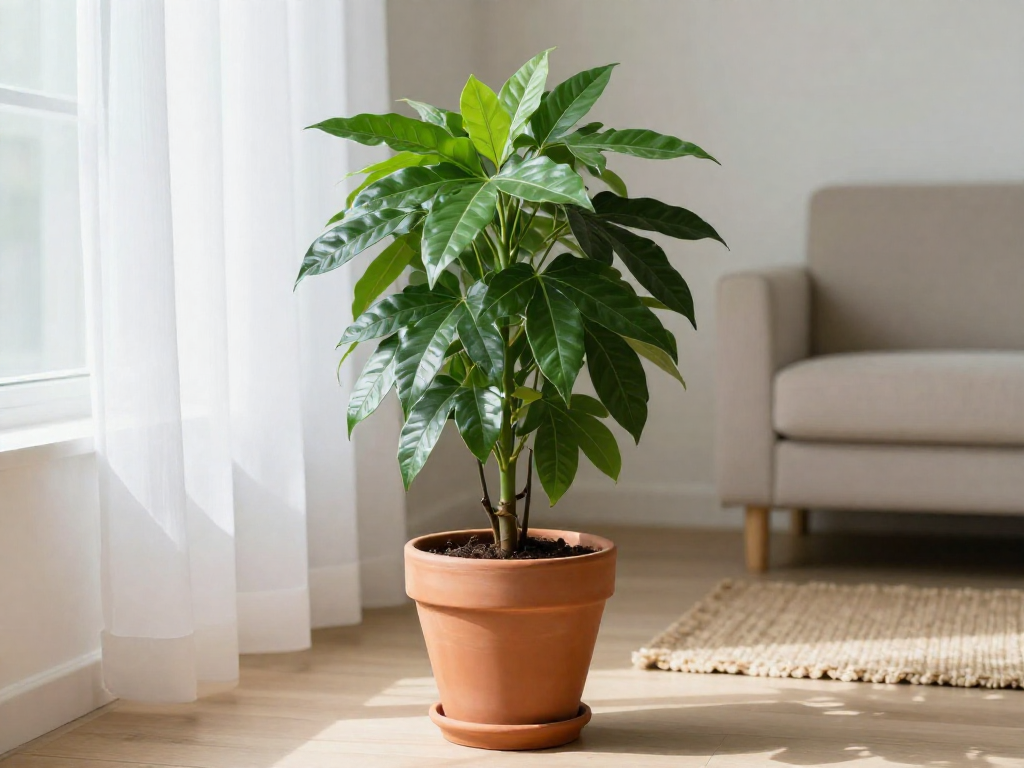
The ZZ plant grows best with 6–8 hours of bright, indirect light (strong daylight that doesn't shine directly on the leaves), but it also tolerates low light better than almost any other houseplant. That makes it ideal for a dim hallway, a north-facing room, or a desk a few feet from a window.
Two things to avoid:
- Too much sun. Direct rays scorch the leaves, leaving yellow or brown tips. Pull the plant back from bright south- or west-facing windows.
- Too little light. Prolonged darkness causes leggy, stretched stems, pale leaves, and leaf drop.
For a windowless or very dim room, a simple LED grow light placed 12–18 inches above the plant for 6–8 hours a day is plenty. ZZ plants don't need intense lighting, so skip high-powered setups.
Keep temperatures at 65–75°F and away from cold drafts, AC vents, and radiators. Below 45°F can be fatal. If your plant summers outdoors, bring it back inside once nights drop below 60°F.
Feeding, Potting, and Repotting
Good news for the low-effort crowd: these tasks come up rarely, and doing less is usually better.
Feeding. ZZ plants grow slowly and pull nutrients from the soil gradually, so they need very little fertilizer (plant food). Use a balanced water-soluble feed at half the strength listed on the label, no more than once a month, and only in spring and summer. Skip feeding entirely in fall and winter. As horticulturist Jane Perrone notes, over-fertilizing leads to salt buildup and root burn—so when in doubt, feed less.
Potting. Choose a shallow to medium-deep pot with drainage holes. Deep pots hold extra soil that stays wet and raises the risk of root rot. Terracotta (unglazed clay) is ideal because it wicks moisture away from the roots, helping the soil dry out between waterings.
Repotting. Repot about once a year, moving up only one or two pot sizes at a time. An oversized pot holds too much water and invites overwatering. Want more plants? Simply bury a broken-off rhizome (the potato-like underground stem) in soil to grow a new one.
Fixing Common ZZ Plant Problems
Almost every ZZ plant problem traces back to one cause: overwatering. It's the number one killer of ZZ plants, so when something looks wrong, check your watering habits first.
Watch for these overwatering warning signs:
- Yellowing leaves
- Mushy, soft stems
- Blackened rhizomes (the thick, potato-like underground stems that store water)
- Brown spots ringed with yellow halos
- A rotten, smelly odor coming from the roots
Fungus gnats. These tiny black flies hovering around your pot usually just mean the soil is staying too wet. Fix the watering—let the soil dry out fully between drinks—and the gnats typically dissipate on their own without sprays.
Mild root rot. If a few roots or rhizomes are soft but most of the plant looks healthy, adjust your watering and repot into fresh, dry, well-draining soil. Choose a container only one or two sizes larger than the old one; oversized pots hold extra moisture and make rot worse.
Underwatering? Rarely a real threat. Thanks to those water-storing rhizomes, a ZZ plant bounces back from months of drought—just water thoroughly and it recovers.
Is the ZZ Plant Safe Around Pets and Kids?
Short answer: the ZZ plant is only mildly toxic, but you should still keep it out of reach of curious pets and small children.
Every part of the plant contains calcium oxalate crystals—tiny, needle-like crystals (also found in foods like spinach) that irritate soft tissue when chewed. Because the toxicity is mild, the ZZ is often left off official poisonous-plant lists.
If a cat or dog takes a bite, expect mild, mouth-focused symptoms: drooling, pawing at the mouth, vomiting, or swelling of the lips and tongue. These usually stay limited to the mouth and often resolve at home. Call your vet or a pet poison line if your pet ate a significant amount or seems distressed.
For people, the main risk is the sap, which can irritate skin. Wear gloves when handling, pruning, or repotting, and wash your hands afterward.
Placement tip: set the plant on a high shelf or plant stand, well away from pets and kids who like to nibble.
Sources
- How Often to Water a ZZ Plant: A Science-Backed Guide — lifetips.alibaba.com
- How to Care for Zamioculcas Zamiifolia? Drought-Tolerant and Less Water Care Suggestions — plantcarenews.com
- All Green Nursery & Garden on Instagram: FAQ's ZZ - How do you Know if your ZZ Plant is thirsty? — instagram.com
- ZZ Plant (Zamioculcas zamiifolia): Indoor Care, Growing Tips & Plant Guide — hgic.clemson.edu
- ZZ Plant Care Guide: How to Grow, Water & Propagate | Almanac.com — almanac.com
- ZZ Plant Light Requirements: Everything You Need to Know — mars-hydro.com
- ZZ Plant Care Guide: Light, Sunlight & Best Indoor Placement — lowlightleaf.com
- ZZ Plant Toxicity: Are ZZ Plants Toxic to Cats, Dogs, Humans — livelyroot.com
- Calcium oxalate plant toxicosis in dogs & cats — vetgirlontherun.com
FAQ
How often should I water my ZZ plant?
Water your ZZ plant only when the top 2-3 inches of soil are completely dry—not on a fixed calendar. In practice, that usually means every 2-4 weeks in spring and summer and every 4-8 weeks in fall and winter, so most mature plants in 6-8 inch pots get watered just 10-12 times a year. The exact interval depends on light, temperature, humidity, and your pot's size and material (a terracotta pot dries much faster than plastic). Check the soil weekly with your finger or a wooden skewer, and when you do water, soak thoroughly until it drains from the bottom. Because overwatering is the single most common cause of ZZ plant death, always wait for dry soil rather than watering by habit.
Can a ZZ plant survive in low light or a windowless room?
Yes—the ZZ plant is one of the most low-light-tolerant houseplants, which is why it thrives in dim apartments and interior rooms. It grows best with 6-8 hours of bright, indirect light (light that reaches the plant without the sun's rays hitting the leaves directly), but it will survive in much lower light, just more slowly. In prolonged low light you may notice slower growth, leggy stems, or paler leaves. For a truly windowless room, a simple LED grow light placed 12-18 inches above the plant for 6-8 hours a day is usually enough. Avoid harsh direct sun, which can scorch the leaves and cause yellow or brown tips.
Why are my ZZ plant's leaves turning yellow?
Yellowing leaves on a ZZ plant are most often a sign of overwatering. Because the plant stores water in thick underground rhizomes (modified stems that act as water reservoirs), soggy soil quickly leads to rot, which shows up as yellow leaves, mushy stems, and sometimes fungus gnats. Check the soil: if it's wet well below the surface, let it dry out completely and make sure the pot drains freely and never sits in standing water. Occasional yellowing of a few older, lower leaves can be normal aging. If the problem is widespread and the base feels soft or smells bad, repot into fresh, well-draining soil and trim away any blackened rhizomes.
How do I know if my ZZ plant needs water?
The most reliable test is the soil itself: push a finger or a clean wooden skewer 2-3 inches down (or to the bottom of the pot). If it comes out dry with no damp, dark staining, it's time to water; if there's any moisture, wait. The plant also signals thirst—gently squeeze a few leaves, and if they feel soft or limp rather than firm, it needs a drink. Thirsty ZZ plants may also show slight wrinkling on the stems or drop a few older leaflets, giving you plenty of warning. When in doubt, wait: this plant tolerates dryness far better than excess water.
Are ZZ plants toxic to cats and dogs?
Yes, ZZ plants are toxic to cats and dogs if chewed or eaten, though generally only mildly so. The leaves and stems contain calcium oxalate crystals that release needle-sharp bundles when bitten, irritating the mouth and throat. Common signs in pets include drooling, pawing at the mouth, decreased appetite, vomiting, and swelling of the lips or tongue. Symptoms are usually mild and limited to the mouth, and many cases can be soothed at home by flushing with something palatable like milk or broth—but contact your vet or a pet poison line if symptoms are significant. The sap can also irritate human skin, so wear gloves when handling. Keep the plant out of reach of curious pets and children.
What kind of pot is best for a ZZ plant?
Choose a pot with drainage holes in a shallow-to-medium depth—the plant's water-storing rhizomes don't need a deep container, and extra soil only holds excess moisture that invites root rot. Terracotta (unglazed clay) is ideal because it wicks moisture away and helps the soil dry out; plastic and glazed pots hold water far longer, so you'll need to water less often. When repotting, size up by only one or two sizes at a time, since an oversized pot stays wet too long. Avoid self-watering pots entirely, as ZZ plants can't tolerate constantly saturated soil.
How long can a ZZ plant go without water?
A healthy ZZ plant can go weeks—and often more than a month—without water, which is exactly why it's ideal for forgetful or frequently traveling owners. Native to arid regions of Eastern Africa, it stores water in potato-like rhizomes and succulent leaves that are about 91% water, letting it ride out long dry spells. The precise limit depends on conditions: a small terracotta pot in a warm, bright room may need water every couple of weeks, while a larger plastic pot in a cool, dim room can go 8-10 weeks. Erring on the side of too dry is always safer than too wet, since underwatering is far more forgiving than root rot.
See also
- Best Low-Light Houseplants for Small Apartments
- How to Fix an Overwatered Houseplant (Root Rot Rescue Guide)
- Terracotta vs. Plastic Pots: Which Is Right for Your Plant?
- Beginner's Guide to Watering Houseplants the Right Way
- Pet-Safe Houseplants for Apartment Dwellers
- Snake Plant Care: Another Nearly Unkillable Houseplant
Related articles
Pothos vs. Philodendron vs. Snake Plant: Which Should You Start With?
Pothos, philodendron, or snake plant—which easy houseplant is the best first choice for your apartment? A clear, plant-by-plant comparison for new plant parents.
Jul 14, 2026 · 7 min read
Jade Plant Care: The Easy Beginner Succulent Tree
Learn how to care for a jade plant indoors: watering, light, soil, plus simple pruning to shape a bushy little succulent tree. Beginner-friendly, step by step.
Jul 14, 2026 · 9 min read
Fiddle Leaf Fig Care: Why It's Fussy and How to Cope
Can a beginner keep a fiddle leaf fig alive? An honest, plant-by-plant care guide covering light, watering, drafts, and how to fix brown spots and leaf drop.
Jul 14, 2026 · 12 min read