Pothos vs. Philodendron vs. Snake Plant: Which Should You Start With?
Which easy plant is the best first choice for me?
On this page
The Quick Answer: Match the Plant to Your Situation
Short on time? Here's the verdict: the best first plant depends on your habits and your space, not on how "hard" the plant is. All three are beginner-proof—you're really choosing based on how you live.
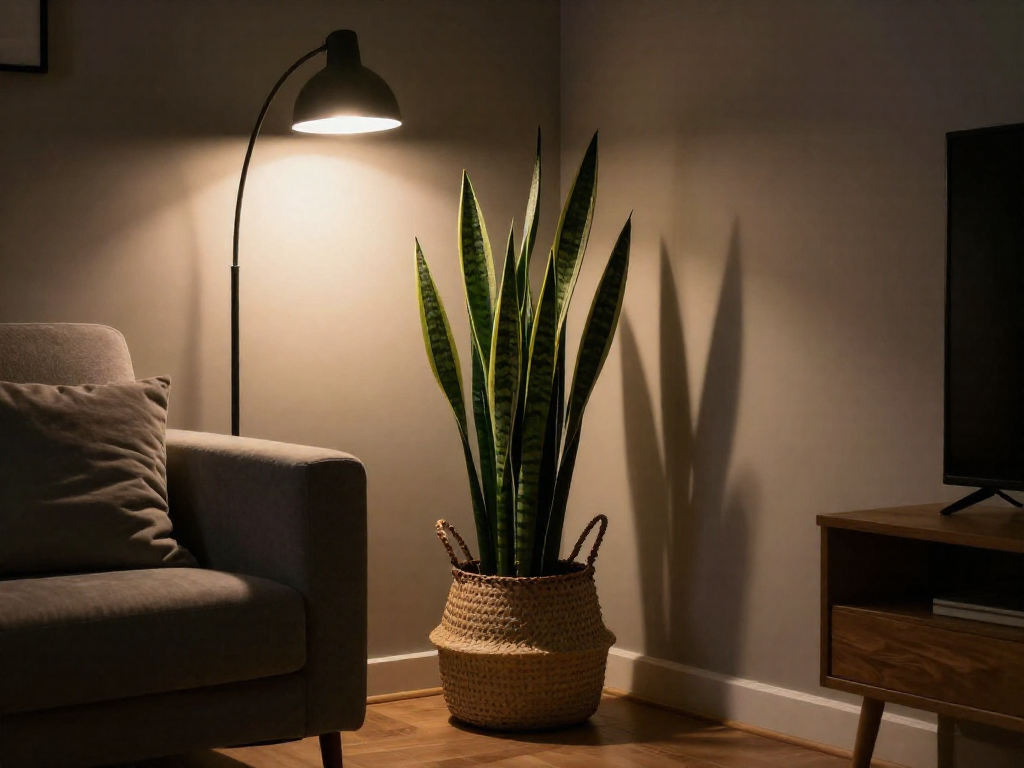
- Snake plant — Best if you travel, forget to water, or have a dim apartment. It's a drought-tolerant succulent that handles low, medium, or bright indirect light and only needs water every 2–3 weeks. Just avoid overwatering, the most common way to kill it.
- Pothos — Best if you want fast, lush, trailing growth and easy propagation (starting new plants from cuttings). Water roughly every 1–2 weeks when the top 1–2 inches of soil are dry. It grows quicker in brighter spots.
- Philodendron — Best if your space is genuinely low-light and you water on a routine. The heart-leaf type tolerates dim rooms even better than pothos; let the top inch or two dry between waterings.
Still unsure? Keep reading for a plant-by-plant breakdown.
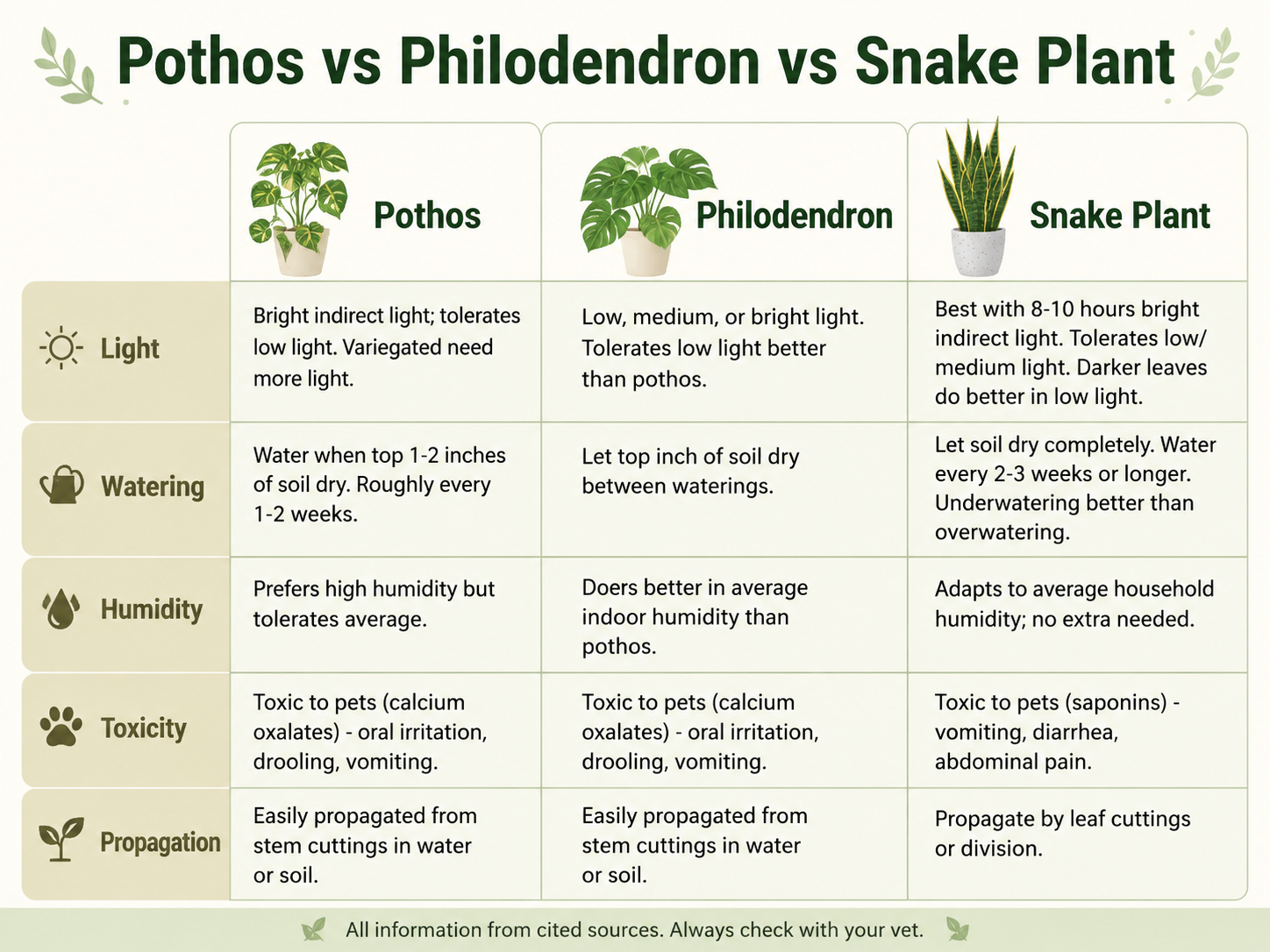
Side-by-Side Comparison Table
Here's the head-to-head, so you can pick your first plant in about 30 seconds. "Bright indirect light" means a spot near a window that gets plenty of daylight but no direct sun rays hitting the leaves.
| Care factor | Snake Plant | Pothos | Philodendron (heart-leaf) |
|---|---|---|---|
| Light tolerance | Low to bright indirect (grows best with lots of bright indirect light) | Bright indirect; tolerates lower light | Low, medium, or bright — handles low light better than pothos |
| Watering | Every 2–3+ weeks; let soil dry completely first | Every 1–2 weeks, when dry down to 1–2 in. | When top 1–2 in. of soil is dry |
| Growth rate | Moderate to fast; upright | Fast; trailing vines | Fast; trailing vines |
| Mature size | ~2 ft. tall | Long trailing vines | Long trailing vines |
| Pet safety | Toxic to cats & dogs | Toxic to cats & dogs | Toxic to cats & dogs |
| Forgiveness | Most forgiving; better to underwater | Very forgiving of dry soil | Forgiving, but likes slightly more moisture than pothos |
| Propagation | Easy (leaf cuttings or division) | Very easy (stem cuttings in water) | Very easy (stem cuttings in water) |
Bottom line: All three are toxic to pets, so keep them out of reach. If you forget to water, start with a snake plant. If you want fast, trailing green, pick pothos.
Snake Plant: The Forget-About-It Champion
If you travel often, forget to water, or have a dim corner to fill, the snake plant (now classified as Dracaena trifasciata, formerly Sansevieria trifasciata, and native to West Africa) is your best first pick. It's the plant that keeps growing while you're on vacation.
Light: Snake plants are famously flexible, growing in bright, medium, or low light. That said, they grow best with plenty of bright indirect light (light that reaches the plant without the sun's rays hitting the leaves directly). Keep them out of harsh direct sun, which can scorch the leaves. One nuance: darker-leaved varieties handle low light well, while variegated types (those with light stripes or margins) fade and lose their pattern without brighter light.
Water: This is where beginners save or sink their plant. Let the soil dry out completely, then water thoroughly—roughly every 2–3 weeks, though you can stretch it longer in low light or cooler rooms. Overwatering is the #1 killer of snake plants, so when in doubt, wait. Underwatering is far more forgiving than overwatering.
Temperature & humidity: Average apartment conditions are perfect—aim for 60–75°F and normal household humidity. No misting or special setup needed.
Quick care summary
- Light: Bright, medium, or low (best in bright indirect; no direct sun)
- Water: Soak when soil is fully dry, about every 2–3 weeks
- Soil: Well-draining potting mix (cactus/succulent mix works great)
- Toxicity: Mildly toxic to cats and dogs if eaten
Pothos: The Fast, Forgiving Trailer
If you want a plant that grows fast, drapes beautifully off a shelf, and shrugs off beginner mistakes, pothos is your pick. It's one of the easiest houseplants to grow and forgives a wide range of conditions—perfect if you're still learning your home's light and your own watering rhythm.
The number one plant-care issue is watering, and here pothos shines: it's more forgiving of dry soil than a philodendron. Water roughly every 1–2 weeks, only when the soil is dry down to 1–2 inches deep (poke a finger in to check). Overwatering—keeping the roots constantly wet—is about the only reliable way to make a pothos sulk, so when in doubt, wait.
Light shapes how it looks. In low light, pothos grows more slowly with longer gaps of bare stem between leaves. In brighter, indirect light (near but not in a sunny window), it's fuller and lusher. Variegated varieties (leaves streaked with white or yellow) need more light to keep those patterns—too dim and they fade toward plain green.
Best of all, pothos propagates easily. Snip a stem cutting just below a node (the small bump where a leaf meets the stem), set it in a glass of water or straight into soil, and you'll have a new plant to keep or share.
Quick-reference care
- Light: Low to bright indirect; brighter for variegated types
- Water: Every 1–2 weeks, when soil is dry to 1–2 inches
- Soil: Standard well-draining potting mix
- Toxicity: Toxic to cats and dogs if chewed—keep out of reach
Philodendron: The Low-Light Specialist
If your apartment gets very little natural light—a north-facing window, a hallway nook, a desk away from the glass—the heart-leaf philodendron is your best bet. Its standout advantage over pothos is simple: it tolerates low light better. Both plants look similar and are often confused, but the philodendron handles dim corners more gracefully.
That said, it's flexible. Heart-leaf philodendron grows in low, medium, or bright light, so you can place it almost anywhere and it will adapt. For watering, let the top 1–2 inches of potting mix (the soil in the pot) dry out before you water again. Stick a finger in; if it's dry to your first knuckle or two, it's time.
It also handles average indoor air better than pothos, so you don't need to mist it or run a humidifier in a normal apartment. Like pothos, it propagates (grows a new plant) easily from stem cuttings placed in water or soil—an easy way to expand your collection for free.
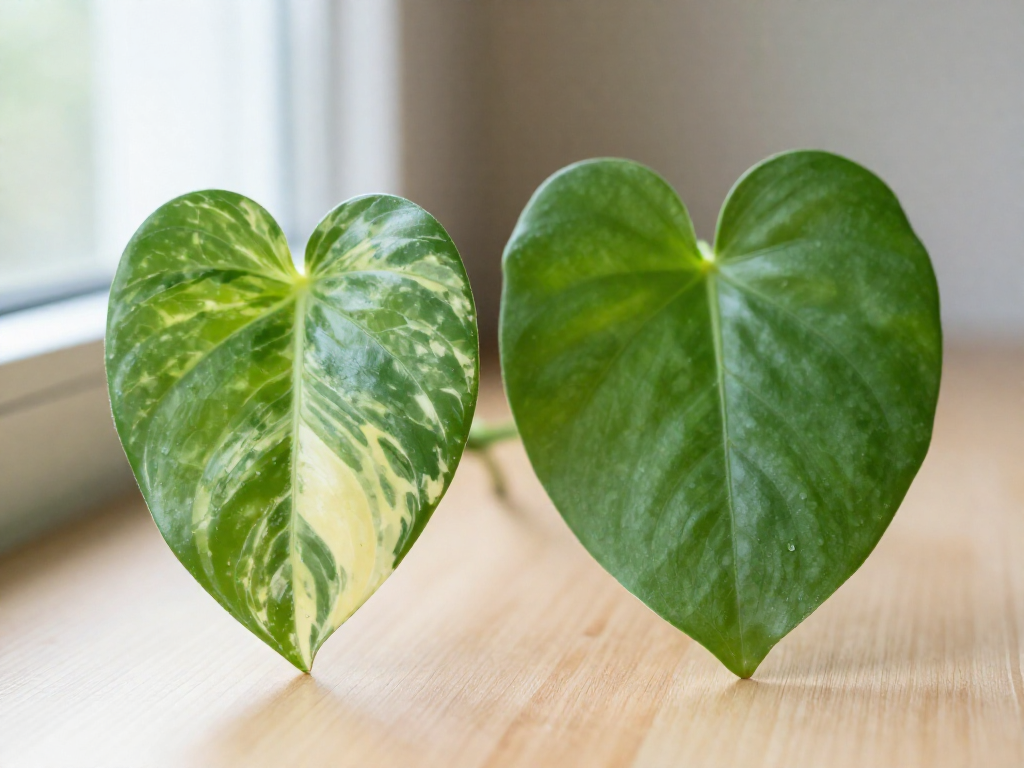
How to tell it apart from pothos: philodendron leaves are smoother and more uniformly heart-shaped, while pothos foliage is thicker and more textured.
Quick care summary: Light: low to bright. Water: when top 1–2 inches of soil are dry. Soil: standard well-draining potting mix. Toxicity: toxic to pets and people if eaten—keep out of reach.
Pothos vs. Philodendron: How to Tell Them Apart
In the store, these two look almost identical—both trail from the same kind of hanging pot with green, heart-shaped leaves. Look closely and you'll spot the difference. Pothos leaves are thicker, slightly textured, and often a little uneven in shape. Philodendron leaves are thinner, smoother, and more perfectly heart-shaped. Pothos is also the one you'll more often see variegated (streaked or splashed with cream, white, or yellow).
They're plant cousins, not twins: both belong to the Araceae family, but pothos is in the Epipremnum genus and philodendron is its own, much larger genus.
The care difference that actually matters: pothos shrugs off dry spells better, so it's the more forgiving pick if you sometimes forget to water. Philodendron handles low light better, making it the smarter choice for a dim corner or a north-facing room.
Heads up: both are toxic to cats and dogs if chewed.
Pet Safety: Read This Before You Buy
If you share your apartment with a cat or dog, know this up front: all three of these plants are toxic to pets. None of them is a "pet-safe" pick, so plan placement before you buy.
Pothos and philodendron both contain calcium oxalate crystals (tiny, sharp mineral crystals in the plant's tissue). When a pet chews the leaves, these cause oral irritation, painful swelling of the lips, mouth, and tongue, drooling, trouble swallowing, and vomiting.
Snake plant is toxic for a different reason: saponins (natural plant compounds that irritate the gut). Symptoms include vomiting, diarrhea, abdominal pain, excessive drooling, and, in more serious cases, tremors.
What to do:
- Place any of these plants well out of reach—a high shelf, a hanging planter, or a room your pet can't access.
- If you can't reliably keep a curious pet away, choose a pet-safe alternative instead (spider plant or parlor palm are common picks).
- If your pet chews or eats any part of the plant, call the ASPCA Animal Poison Control hotline at (888) 426-4435.
So Which One Should You Start With?
Here's a quick way to decide:
- Low light and you forget to water? Go with the snake plant. It shrugs off weeks without water and grows in bright, medium, or low light.
- Want fast, lush growth you can see? Pick pothos. It's forgiving of dry soil—overwatering is about the only way to upset it—and fills out quickly in a bright spot.
- Dim room but a reliable watering routine? Choose a philodendron. It tolerates low light better than pothos and rewards steady care.
Honestly, you can't go wrong—their care overlaps so much that starting with all three is a great way to learn.
Later, you can turn one plant into many. Both pothos and philodendron root easily from stem cuttings placed in water or soil, so you can grow a whole collection for free.
Sources
- Pothos vs. Philodendron: Learn Which Houseplant Is Better for You — thespruce.com
- Pothos vs. Philodendron: Which Houseplant Is Right for You? — gardenia.net
- Indoor Pothos Plant Care Growing Guide — provenwinners.com
- Low-Maintenance Houseplants You'll Love — costafarms.com
- Snake Plants Care Tips! written by ReVased — revased.com
- Snake Plants Sansevieria 'Care & Growing Guide' — planetdesert.com
- Instagram – Modern Terrarium Bar Snake Plant Dos and Don'ts — instagram.com
- Snake Plant Care: How to Grow this Diehard Houseplant — joyusgarden.com
- Pet Owners Beware: 11 Poisonous Houseplants to Avoid | Home & Garden Information Center — hgic.clemson.edu
- Toxic and Non-toxic Plants: Golden Pothos | ASPCA — aspca.org
See also
- How to Water Houseplants Without Overwatering
- Best Low-Light Houseplants for Small Apartments
- Pet-Safe Houseplants for Cat and Dog Owners
- How to Propagate Pothos and Philodendron in Water
- Beginner Houseplant Care Basics: Light, Water, and Soil
Related articles
Jade Plant Care: The Easy Beginner Succulent Tree
Learn how to care for a jade plant indoors: watering, light, soil, plus simple pruning to shape a bushy little succulent tree. Beginner-friendly, step by step.
Jul 14, 2026 · 9 min read
Fiddle Leaf Fig Care: Why It's Fussy and How to Cope
Can a beginner keep a fiddle leaf fig alive? An honest, plant-by-plant care guide covering light, watering, drafts, and how to fix brown spots and leaf drop.
Jul 14, 2026 · 12 min read
Aloe Vera Care Indoors: Sun, Soil, and Watering
Learn how to grow aloe vera on a windowsill: how much sun it needs, the right soil and pot, and exactly how often to water without killing it.
Jul 14, 2026 · 9 min read