Should Beginners Buy Fake Plants Instead? An Honest Take
Is it worth getting real plants if my space is dark?
On this page
The Honest Answer Up Front
For most apartments, real plants are worth it — just not in every corner. And here's the part that surprises new plant parents: the deciding factor isn't your gardening skill. It's your light. Plants make their food from light, so the amount hitting a spot matters more than anything you do with a watering can. The University of Maryland Extension calls light the single most important factor in keeping indoor plants healthy.
So before you blame your "black thumb," look at the room. Every spot falls into one of three buckets:
- Enough light → get a real plant.
- Not quite enough → get a real plant plus a grow light.
- Truly dark (an interior wall, a windowless bath) → a fake plant is a smart, honest choice, not a failure.
The rest of this article shows how to tell which bucket your space is in.
First, Measure Your Light (It Takes 10 Seconds)
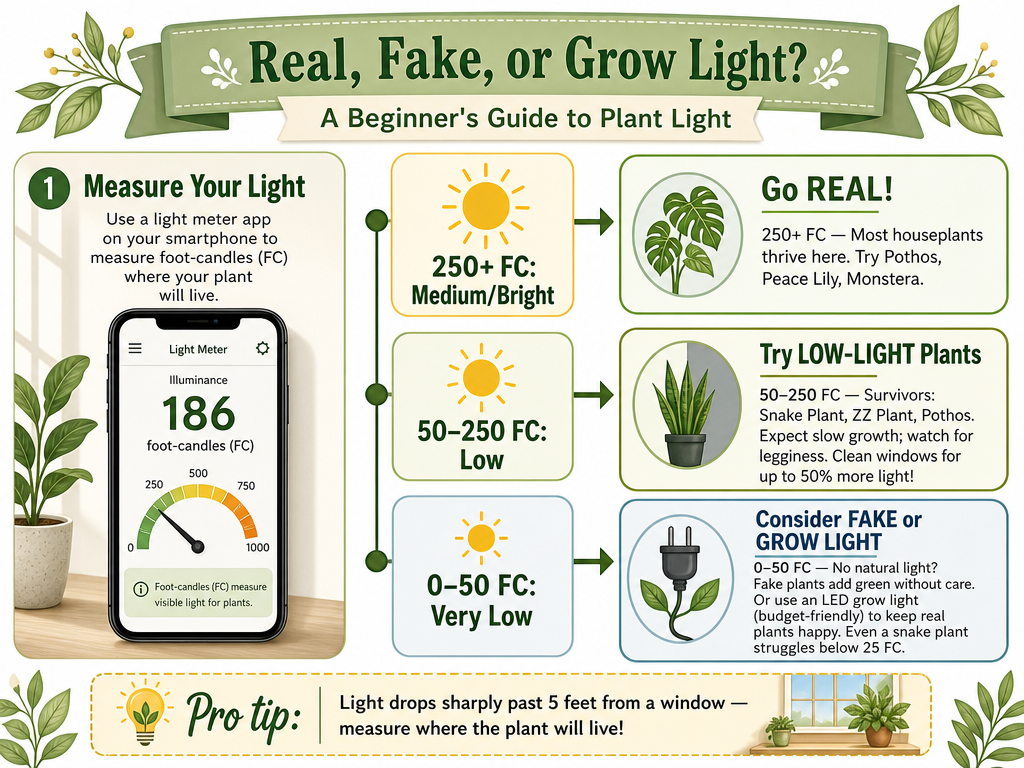
Before you decide between real and fake, get one free number: how much light your space actually gets. Guessing is where most beginners go wrong, so let's replace it with a measurement.
Download a free light-meter app on your phone and hold it flat where the plant will sit, around midday. Read the number in foot-candles (FC) — a standard unit for how bright a spot is.
Here's how to read your result:
- Low light is roughly 50–250 FC. Below about 100 FC is genuinely dim, and some spots read as low as 25 FC — too dark for most plants to do more than barely hang on.
- Low light does not mean no light. Every plant needs light for photosynthesis (how plants turn light into energy), so no plant survives complete darkness.
Two things affect your reading as much as which way the window faces:
- Distance: Growth slows sharply once a plant sits more than 5–6 feet from a window. A spot three feet from a bright window beats six feet from a dim one.
- Clean glass: Dirty windows can block up to 50% of incoming light. Wipe both sides before you measure — it's the cheapest light upgrade there is.
With a real number in hand, the rest of the decision gets a lot easier.
Why Light Is the Whole Ballgame
Here's the thing that makes the fake-vs-real question about light, not effort: the right amount of light is the single most important factor in keeping indoor plants healthy. You can water perfectly, use the right soil, and still lose a plant if it sits somewhere too dark. In fact, wrong light is the #2 cause of plant failure, just behind overwatering.
Why does it matter so much? Plants use light to make their own food (a process called photosynthesis). Without enough of it, they can't manufacture the carbohydrates they need, their energy reserves slowly drain, and the plant eventually dies—no amount of extra care can fix that.
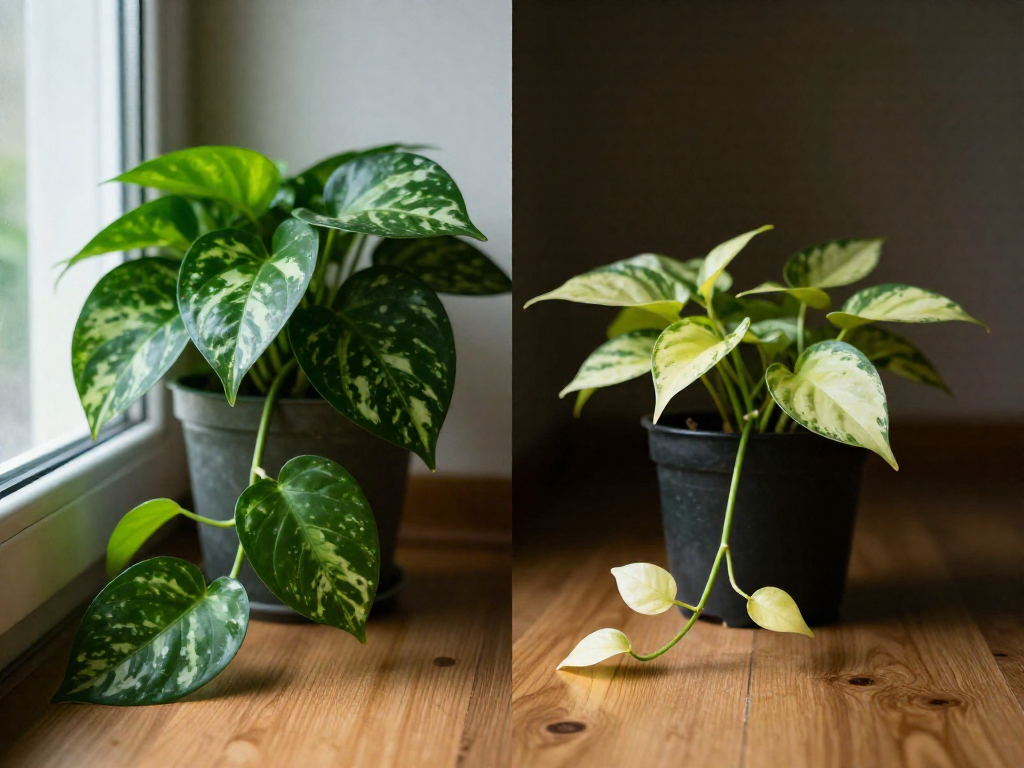
The good news: your plant will warn you first. Watch for these signs of too little light:
- Pale or yellowing leaves
- Leggy, stretched-out stems reaching toward the window
- Leaves dropping off
- Variegation fading—patterned leaves reverting to solid green
If your space is genuinely dark, that's not a "try harder" problem. It's a matter of matching the plant to the light you actually have—which is exactly why measuring your light comes first.
Surviving vs. Thriving: The Trap Beginners Fall Into
Here's the mistake almost every new plant parent makes: assuming that a plant which is still alive is a plant that's doing fine. It isn't.
Take the snake plant, a stiff-leaved succulent often sold as "indestructible." It can survive in near-darkness for months. But surviving and thriving are two different things. As one experienced grower puts it, just because you can keep a plant alive in a windowless bathroom doesn't mean you should — snake plants actually enjoy bright light, even some direct sun.
A plant that's only surviving stops growing. And a plant that stops growing gets vulnerable: growers report low-light plants stalling completely, then getting hit by pests like mealybugs, root rot, and fungal problems.
Even tolerant plants show it. Without consistent light, they don't die fast — they fade, stretch, or stall. A peace lily set across the room from a window drooped within a month; a Chinese evergreen moved to a dim corner faded dramatically in just a couple of weeks.
The lesson: right plant, right place. Match the plant to the light you actually have.
When Real Plants Absolutely Make Sense
If you measured 100 foot-candles or more near a window (foot-candles, or FC, are just a unit of light brightness you can read with a free light-meter app), real plants are a genuinely good call. That's the common baseline where low-light-tolerant plants stop merely surviving and start doing okay.
Start with proven performers: the snake plant, ZZ plant, and most pothos varieties. These are the plants horticulturists consistently name as tolerant of low light, so they're forgiving while you learn.
A quick shortcut when shopping: reach for darker-green leaves. That deep green signals more chlorophyll—the pigment plants use to capture light—so those leaves generally cope better in dimmer rooms.
One care adjustment matters most in low light: water less. Plants grow slowly in dim spaces and drink less, which means overwatering, not underwatering, becomes the real danger. Feel the soil first and only water when the top inch is dry.
Quick take: 100+ FC + a snake plant, ZZ, or pothos + a light hand with the watering can = a real plant that thrives.
When to Add a Grow Light Instead of Giving Up
Before you settle for plastic, consider the middle path: a grow light (an artificial light designed to power photosynthesis, the process plants use to turn light into energy). University of Minnesota Extension is clear that "supplemental lighting can make up for a lack of natural sunlight," and it comes in styles and sizes to fit almost any budget or small-space setup.
This is the fix for a windowless bathroom, a shadowy bedroom corner, or that spot you love but can't brighten. A clip-on or small LED grow light—often $15 to $40—lets you keep a real plant exactly where you wanted the fake one.
Quick tip: aim for a full-spectrum LED, run it 10–12 hours a day, and place it 6–12 inches above the leaves. That's usually enough to turn a "fake-plant corner" into a thriving real one.
When Fake Plants Are the Smart Choice
Sometimes a spot just won't support a living plant, and that's fine. If a corner reads under about 50 FC (foot-candles, a simple measure of light—use a free meter app) and there's no room for a grow light, a real plant will only limp along. The same goes for high shelves, windowless bathrooms, and any spot you know you won't reliably water.
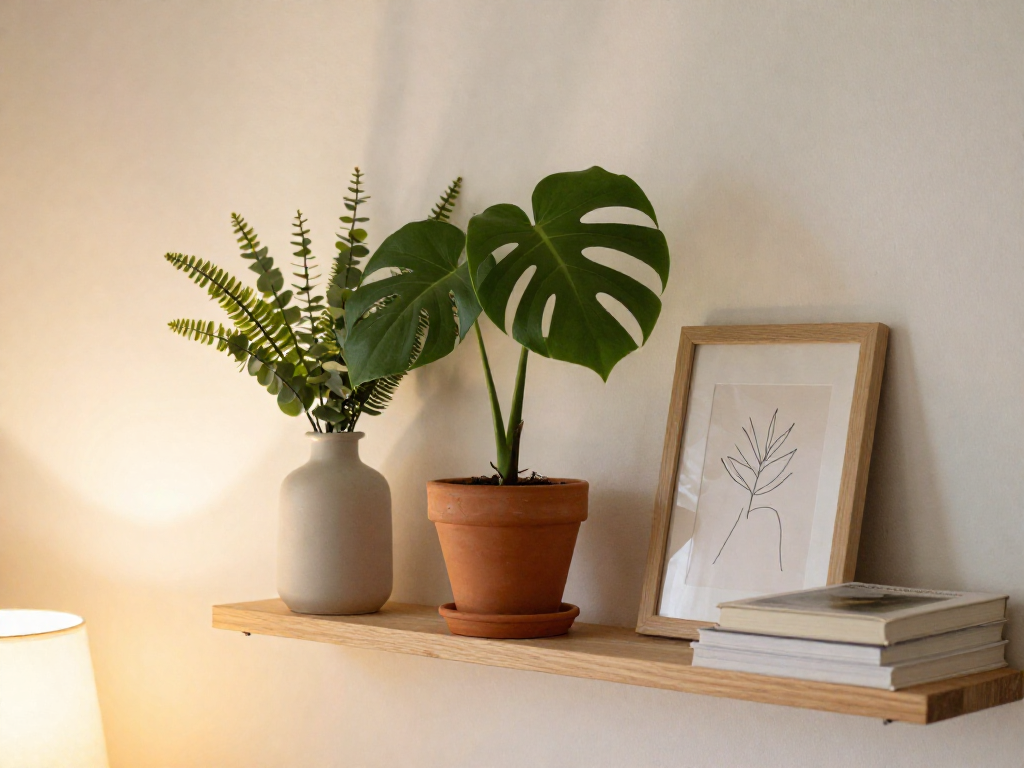
A smart middle path: use fake greenery for style in those tough corners, then keep one or two real plants where the light actually allows. That way you get the look everywhere and the joy of growing something where it can thrive.
Going fake in a dark spot is a design decision, not a gardening failure.
Sources
- How much light houseplants actually need — popsci.com
- How to Choose the Right Light for your Indoor Plants — costafarms.com
- Low Light Houseplants — extension.psu.edu
- Indoor Plant Light Chart (Lux + Foot-Candles): 50 popular houseplants — houseplantsnook.com
- TOP 10 Low Light Houseplants + Understanding Low Light In Your Home — youtube.com
- Lighting for indoor plants and starting seeds — extension.umn.edu
- Home - Houseplant Basics - Research Guides at New York Botanical Garden — libguides.nybg.org
See also
- Best Low-Light Houseplants for Beginners
- How to Measure Light in Your Apartment
- Snake Plant Care Guide
- ZZ Plant Care Guide
- Beginner Grow Light Setup for Small Spaces
- How Often to Water Low-Light Plants
Related articles
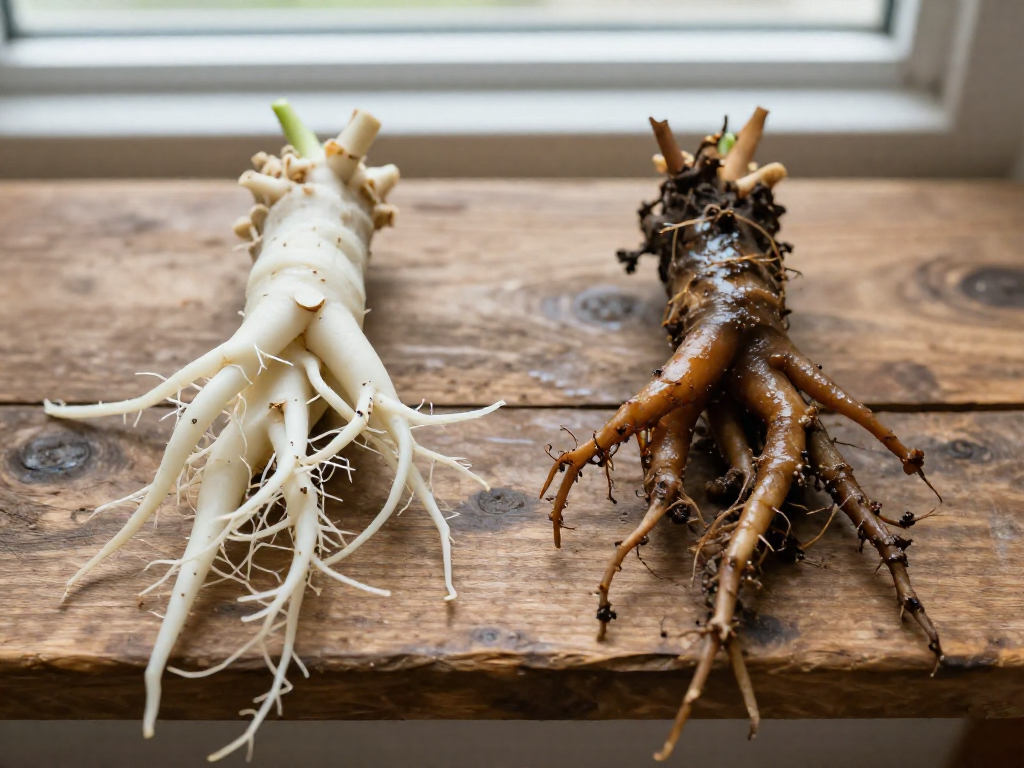
How to Buy a Healthy Houseplant at the Store
Learn how to pick a healthy houseplant and avoid a sick one. A simple store checklist for inspecting roots, leaves, and pests before you buy.
Jul 14, 2026 · 11 min read
Essential Tools New Plant Parents Actually Need
The tools you actually need to start caring for houseplants—a minimal, under-$15 kit for apartment dwellers, plus the gadgets you can skip.
Jul 14, 2026 · 6 min read
Best Hanging Plants for Small Apartments
The best trailing plants for small apartments—easy, space-saving picks for hooks and shelves, with light and watering tips for beginner plant parents.
Jul 14, 2026 · 7 min read