Winter Houseplant Care: Watering and Light When Days Get Short
How do I care for plants in winter?
On this page
Why Winter Changes Everything for Your Houseplants
If you're wondering how to care for plants in winter, here's the short answer: you scale back. As days get shorter, most houseplants sense that less light is coming and enter dormancy (a rest period when growth slows or stops), roughly from November through March. The care that kept them thriving in summer can actually harm them now.
Here's why. When a plant slows its growth, it uses far less energy—and far less water. Watering on your summer schedule leaves soil soggy for days, which is exactly how roots rot. In fact, the two most common winter plant killers are overwatering and too little light (low humidity and pests round out the list). Both come from treating winter like any other season.
Not every plant fully naps, though. Tropicals like monstera, pothos, philodendron, and calathea often keep pushing out new leaves through winter, especially if you run a grow light. Those plants may still want water and food on a lighter schedule.
The takeaway that makes everything below easier: winter care is mostly about doing less, not more. Water less often, feed rarely or not at all, and make sure the light your plants do get actually reaches them. That's the whole game—the sections ahead just show you the specifics.
How to Adjust Watering in Winter
Watering is the single biggest lever for keeping your plants alive in winter. As days get shorter and growth slows, your plants drink far less—so the watering routine that worked in July will drown them in January. The fix is simple: give them less water, less often, and always check the soil before you pour.
Cut both frequency and volume
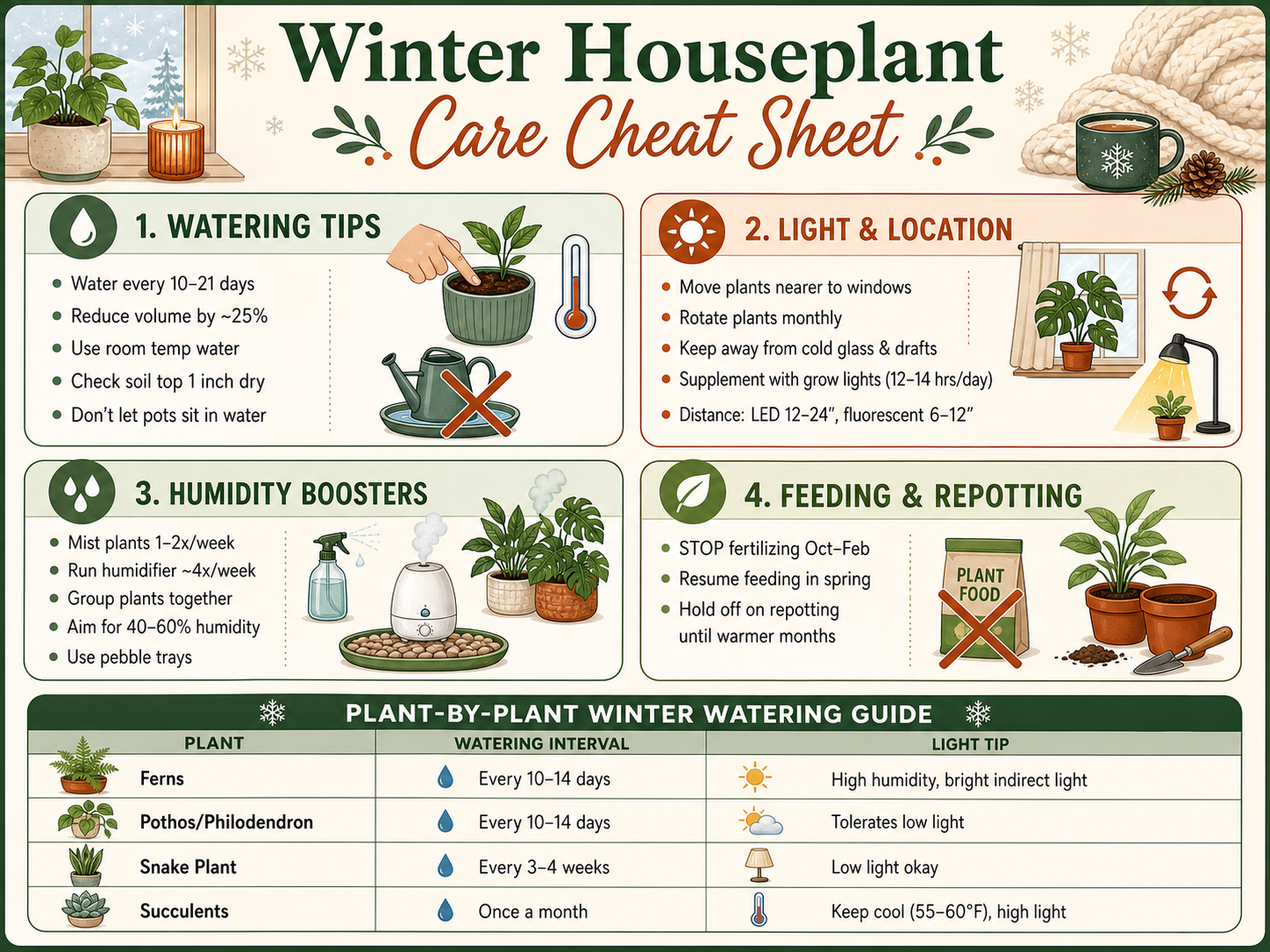
Don't just wait longer between waterings—give each plant a little less, too. Aim for roughly 25% less water overall, and stretch out the gaps. A plant you watered weekly in summer may go 10 to 21 days in winter. Some growers keep a smaller watering can on hand for the cold months to avoid overdoing it.
Always test the soil first
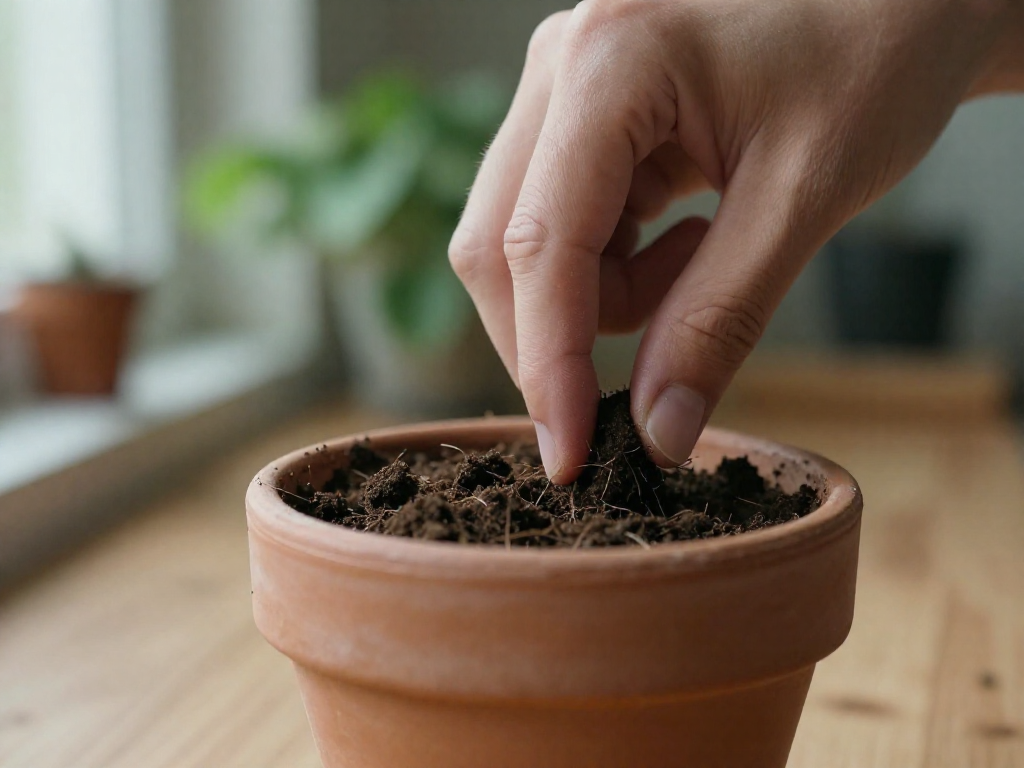
Before you water anything, stick a finger into the pot. Water only when the top 1 inch of soil feels dry, or when the plant starts to wilt slightly. This matters even more in low light: plants in dim rooms grow slowly and dry out slowly, so they're easy to overwater by habit.
Rough winter intervals by plant
Use these as starting points, then adjust based on the finger test:
- Ferns: every 10–14 days
- Cactus and snake plants: every 3–4 weeks
- Succulents: as little as once a month
Small habits that prevent root rot
- Use room-temperature water. Resting plants dislike the shock of ice-cold water.
- Never let water sit in the saucer. A pot standing in 1–3 inches of water will eventually rot the roots—tip out any excess after watering.
When in doubt, underwater. A thirsty plant perks up within hours of a drink; a waterlogged one with rotting roots is much harder to save.
Maximizing Light on Short, Dark Days
After overwatering, too little light is the second big winter killer. As the sun sits lower and days get shorter, almost every spot in your apartment counts as low light—meaning your plants receive far less usable light than they would in summer. In low light, plants grow slowly and drink less, which is exactly why winter watering slows down too.
Spot the Signs of Too Little Light
Watch for leggy growth: stems that stretch out long and thin as the plant reaches for a light source. Pale or faded leaves and wide gaps between leaves are other giveaways. If you see these, your plant is telling you it needs a brighter spot.
Find Your Brightest Window
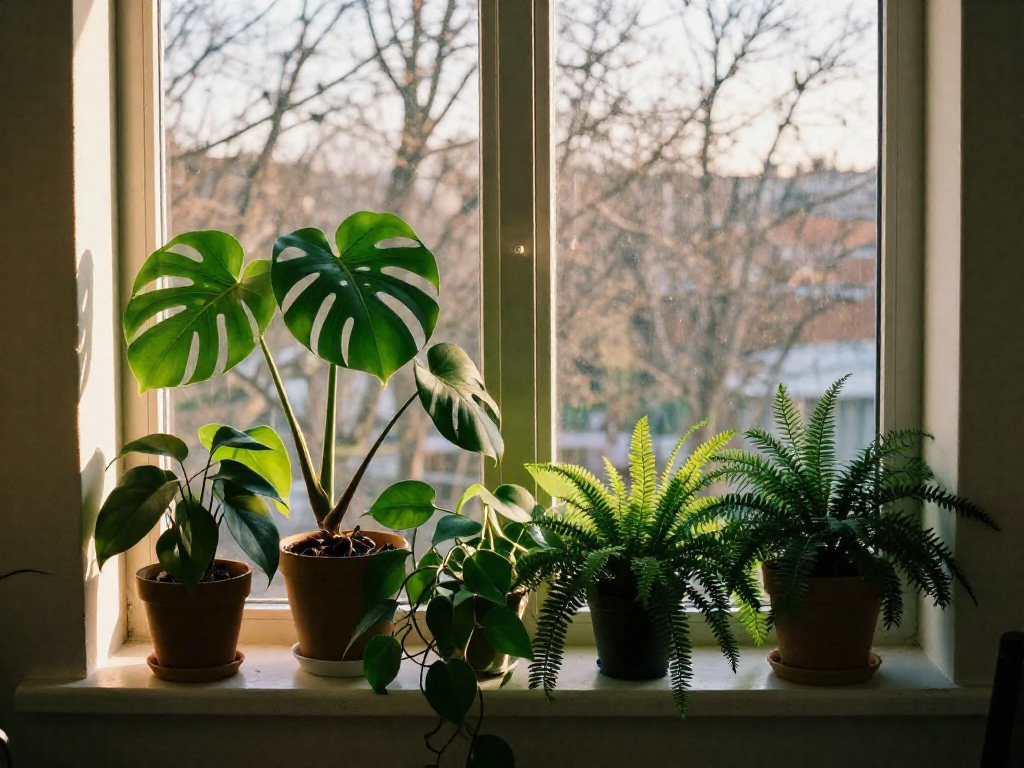
Move struggling plants to your brightest windows. South-facing windows get the most light through winter and are usually your best bet, with east- and west-facing windows next. Two cautions:
- Keep leaves from touching cold glass, which can chill or damage them.
- Keep plants out of drafts from gaps around older windows.
Rotate each plant a quarter-turn every month or two so all sides get even light—otherwise plants lean and grow lopsided toward the window.
When to Add a Grow Light
If your apartment stays dim, a grow light (an electric light designed to supplement sunlight) helps almost any houseplant through winter. General guidance:
- Run it 10–14 hours a day. A simple schedule is 8 AM–8 PM. Start around 10–12 hours and adjust from there.
- Set the distance by fixture type. Keep fluorescent fixtures 6–12 inches from the foliage and LEDs 12–24 inches away.
- Raise the light as plants grow so the distance stays consistent.
A basic outlet timer makes this hands-off—set it once and your plants get steady light all winter.
Fighting Dry Winter Air (Humidity)
When your furnace kicks on for the season, it doesn't just warm the room—it strips moisture from the air. Indoor winter air can get as dry as desert air, and that's rough on tropical houseplants that evolved in humid jungles. Dry air causes crispy brown leaf tips and invites spider mites (tiny sap-sucking pests that thrive in dry conditions).
Aim for 40–60% humidity. That range keeps most plants comfortable and makes your home less hospitable to those mites. A cheap hygrometer (humidity gauge) takes the guesswork out.
Easy ways to add moisture:
- Run a small humidifier near your plants—the most reliable fix.
- Group plants together so they share the moisture they release.
- Use a pebble tray: set the pot on a saucer of pebbles and water, keeping the pot above the waterline.
A few extra tricks: mist the air around your plants once or twice a week in the morning, or give tropicals a monthly lukewarm shower to rinse leaves and boost humidity.
Cluster your thirstiest humidity lovers—ferns, calathea, prayer plant, and Rex begonia—in a bathroom or kitchen, where everyday moisture keeps them happiest.
Feeding and Repotting: Why to Wait
Winter is the season to do less, not more. As days shorten, most houseplants slow down or go dormant (a resting phase where growth nearly stops), so the extra care that helps in spring can actually hurt them now.
Pause the fertilizer. For most plants, stop feeding from roughly October through February. Dormant plants aren't using nutrients, so fertilizer just sits in the soil. In the low light of winter, that leftover salt builds up and can burn roots and leave brown, crispy leaf margins (the outer edges of the leaf). Resume feeding in spring, when days lengthen and temperatures warm.
One exception: if a plant is still pushing out new leaves, or lives under a grow light that keeps it actively growing, it may still want light feeding. Feed at a reduced strength and only while you see fresh growth.
Hold off on repotting, too. Skip repotting and transplanting until spring, summer, or early fall. Moving a resting plant into fresh soil disturbs its roots when it has the least energy to recover.
The simple rule: wait for longer days and warmer temperatures, then resume feeding and repotting as your plants wake up.
Temperature, Drafts, and Winter Pests
Winter comfort for your plants is mostly about avoiding extremes. Keep pots away from direct heat sources—heating vents, space heaters, and working fireplaces all dry out leaves and soil fast. Just as important, avoid cold drafts near doors you open often and the chilly glass of winter windows, where leaves touching the pane can get damaged.
Most houseplants are fine with cooler nights, so setting your thermostat back to around 64–65°F won't hurt them. Cacti and succulents actually prefer 55–60°F in winter, which can encourage buds to form. As a rule, don't let any plant sit below 45°F.
Watch for two common winter pests
Overwatering and dry air invite the two pests you're most likely to see this season:
- Fungus gnats — tiny black flies drawn to soggy soil. The fix is usually to water less and let the top of the soil dry out.
- Spider mites — tiny sap-suckers that thrive in dry air and appear as fine webbing on stressed plants. Raising humidity helps prevent them.
To treat either, apply neem oil, insecticidal soap, or a pyrethrin spray (a plant-derived insecticide) every 3–4 days until the pests are gone.
Your Quick Winter Care Checklist
Save this checklist and run through it whenever the days feel short and gray. Overwatering and too little light are the two most common reasons houseplants struggle in winter, so most of these steps guard against exactly that.
- Water less, and check first. Feel the top inch of soil; only water when it's dry. Many plants need it once a week or less in winter—some even less.
- Chase the light. Move plants to your brightest window and rotate them every month or two so all sides get light. Add a grow light if things look leggy.
- Keep humidity around 40–60%. Dry, heated air stresses most tropical houseplants.
- Skip the fertilizer and repotting. Wait until spring, when longer days restart active growth.
- Avoid temperature extremes. Keep plants off cold glass and away from heat vents and drafty doors.
Sources
- Indoor Plants In Winter: Keeping Your Indoor Plants Alive — joyusgarden.com
- Winter Care of Indoor Plants | UNL Water | Nebraska — water.unl.edu
- How Often Do You Water Indoor Plants In The Fall? – Plant Decor Shop — plantdecorshop.com
- Seasons of Change: Watering Houseplants Through the Year - Westwood Gardens — westwoodgardens.com
- fertilizer - Do indoor plants go dormant in winter? - Gardening & Landscaping Stack Exchange — gardening.stackexchange.com
- How to Set Up Supplemental Lights for Indoor Plants | Yard and Garden — yardandgarden.extension.iastate.edu
- Important Considerations for Providing Supplemental Light to Indoor Plants — yardandgarden.extension.iastate.edu
- How Long Should You Run Grow Lights in Winter? – Glowrium — glowrium.com
- Lighting for indoor plants and starting seeds — extension.umn.edu
- Should You Fertilize Your Houseplants in Winter? — paintersgreenhouse.com
- How and When to Fertilize Your Houseplants! — denverplantclub.com
FAQ
How often should I water houseplants in winter?
Water less often in winter than in summer, because shorter days push most houseplants into dormancy (a resting phase where growth slows). Instead of following a fixed schedule, check the soil first: when the top inch feels dry, it's usually time to water. As a rough guide, a plant you watered weekly in summer might need water every 10-14 days in fall and even less in winter—ferns roughly every 10-14 days, cacti and snake plants every 3-4 weeks, and succulents as little as once a month. Overwatering kills more houseplants than anything else, so when in doubt, wait: underwatering is much easier to fix than root rot. Also water less at each session (about 25% less is a good target), use room-temperature water to avoid shocking resting roots, and never let the pot sit in a saucer of water, which drowns the roots.
Do I need a grow light for my plants in winter?
Not necessarily, but many plants benefit from one. Winter light is weaker and days are short, so first try free fixes: move plants to your brightest window (usually south-facing), keep foliage off cold glass, and rotate pots every month or two so all sides get light. If leaves turn pale or yellow, or stems get 'leggy' (long, thin, and stretched toward the window with wide gaps between leaves), your plant needs more light and a grow light will help. Run a grow light about 10-14 hours a day—a common setup is roughly 8 AM to 8 PM. Position LED fixtures about 12-24 inches from the leaves and fluorescent fixtures 6-12 inches away, and raise the light as plants grow.
Should I fertilize houseplants in winter?
For most plants, no. Fertilizer (plant food that supplies nutrients for growth) isn't needed while plants are dormant or semi-dormant, roughly October through February. Because winter light is low, plants grow slowly and can't use extra nutrients; feeding them anyway lets fertilizer salts build up in the soil and burn the roots, causing brown, crispy leaf edges. The general rule is to fertilize only during the active growing season, from early spring to early fall, and resume once days lengthen and temperatures rise. The exception: plants that keep pushing out new leaves in winter—such as pothos, philodendron, monstera, or anything under a grow light—may still take a lighter, less frequent feeding while they're actively growing.
Why are my plant's leaves turning yellow in winter?
Yellow leaves in winter usually point to watering or light problems. The most common cause is overwatering: soggy soil suffocates the roots and can lead to root rot, so check whether the soil stays wet for days and whether you're watering on a summer schedule the plant no longer needs. Too little light is the next culprit—weak winter sun leaves plants unable to make enough chlorophyll, so foliage fades from green to yellow, often paired with leggy, stretched stems. Underwatering can also yellow leaves, but it comes with dry, crispy tips and bone-dry soil. Check the soil with your finger first: if it's wet, hold off watering and move the plant to brighter light; if it's dry and crisp, water more consistently. Also keep plants away from heat vents and cold drafts, which stress leaves in winter.
Can I repot my plants in winter?
It's best to wait. Repotting is ideal during the active growing season—spring, summer, and early fall depending on your climate—when plants can quickly recover and grow into fresh soil. In winter, most houseplants are dormant or resting, so disturbing the roots stresses them and they can't bounce back or fill out new soil, which raises the risk of root rot in a too-large, slow-drying pot. Unless a plant is in an emergency—like severe root rot or a broken pot—hold off until warmer weather and longer days return. In the meantime, if a plant looks cramped, focus on light, careful watering, and keeping it healthy rather than moving it to a new container.
How do I keep humidity up for plants when the heat is on?
Running heat can make indoor air as dry as a desert, which stresses tropical plants and invites pests like spider mites that thrive in dry conditions. Aim for humidity around 40-60%. The most reliable fix is a small humidifier near your plants; running one several times a week makes a real difference. You can also group plants together so they share moisture, set pots on a pebble tray (a shallow dish of pebbles and water that the pot sits above, not in), and mist the air around foliage once or twice a week in the morning. Placing humidity-loving plants such as ferns, calathea, prayer plants, and Rex begonias in a bathroom or kitchen helps too. Just as important, keep plants away from heat vents, radiators, and fireplaces, which dry them out fast, as well as cold drafts from doors and windows.
See also
- How to tell when your houseplant needs water
- Best low-light houseplants for apartments
- Understanding light levels in your apartment (north, south, east, west windows)
- How to fix an overwatered plant and prevent root rot
- Beginner's guide to houseplant humidity
- When and how to repot a houseplant
Related articles
A Beginner's Glossary of Houseplant Terms
Confused by plant jargon? This plain-language glossary defines the houseplant terms beginners hit most—nodes, variegation, perlite, root-bound and more.
Jul 14, 2026 · 6 min read
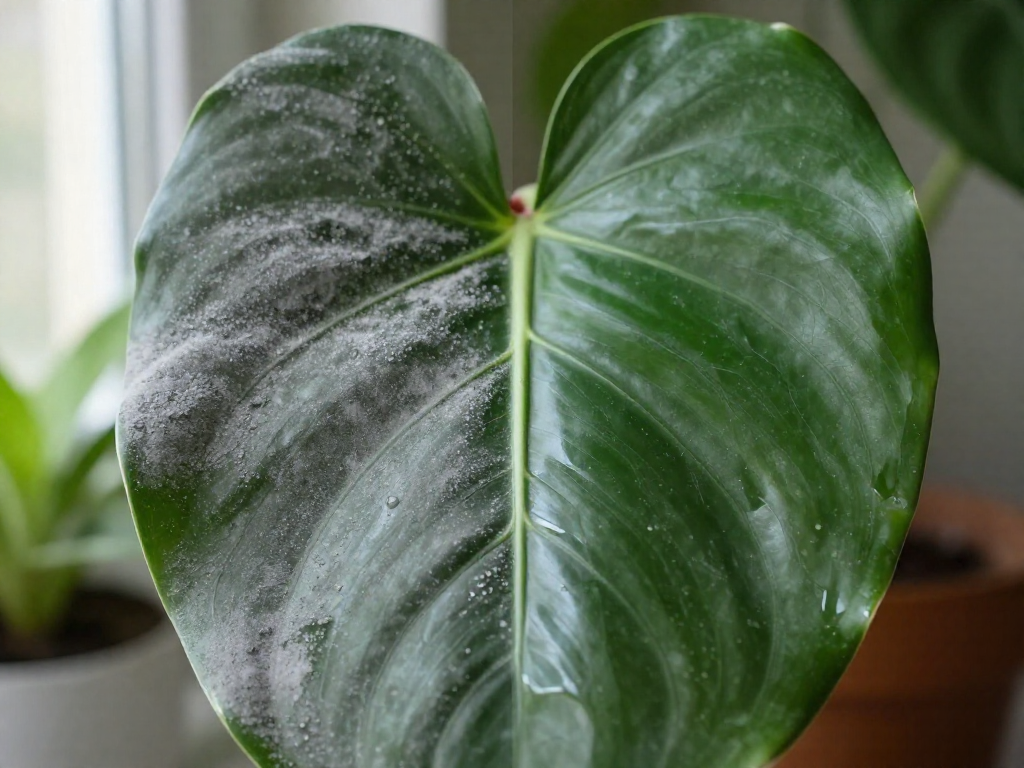
How to Clean Dusty Houseplant Leaves (and Why It Matters)
Dusty leaves block light and slow plant growth. Learn the simple, safe way to clean houseplant leaves by type—plus what to avoid, like leaf shine sprays.
Jul 14, 2026 · 6 min read
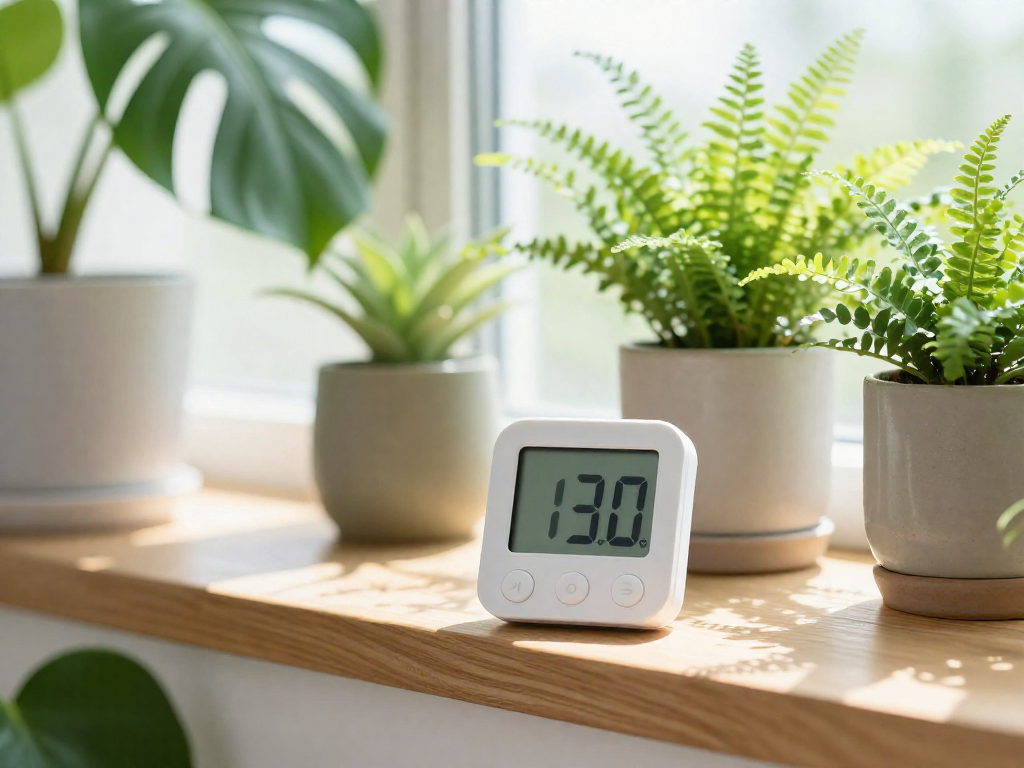
Do Houseplants Need Humidity? What Apartments Really Require
Do your houseplants really need extra humidity? See which plants need it, what apartment air actually offers, and cheap ways to raise humidity that work.
Jul 14, 2026 · 8 min read