Why Is My Plant Drooping? Overwater, Underwater, or Shock
Why is my plant wilting and drooping?
On this page
Why Drooping Is So Confusing (All Roads Lead to the Roots)
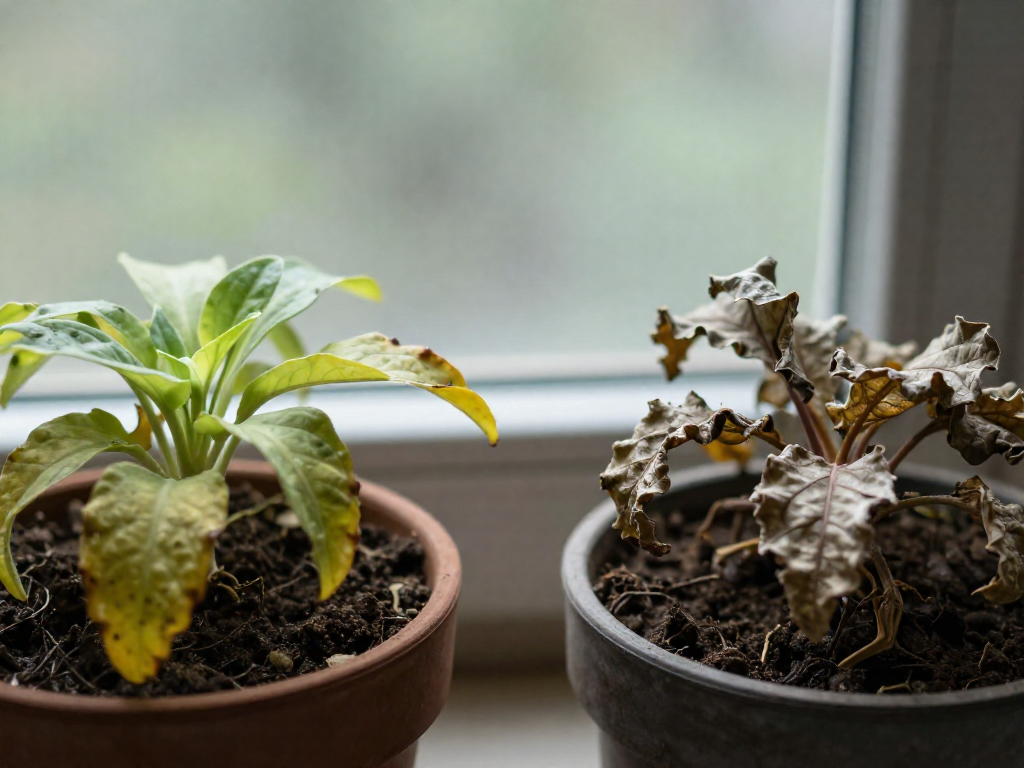
Here's the frustrating truth: overwatering and underwatering can make your plant look exactly the same above ground—limp, wilted, sad. That's because both problems end in the same place. They damage the roots' ability to supply water to the rest of the plant. Same result, opposite causes.
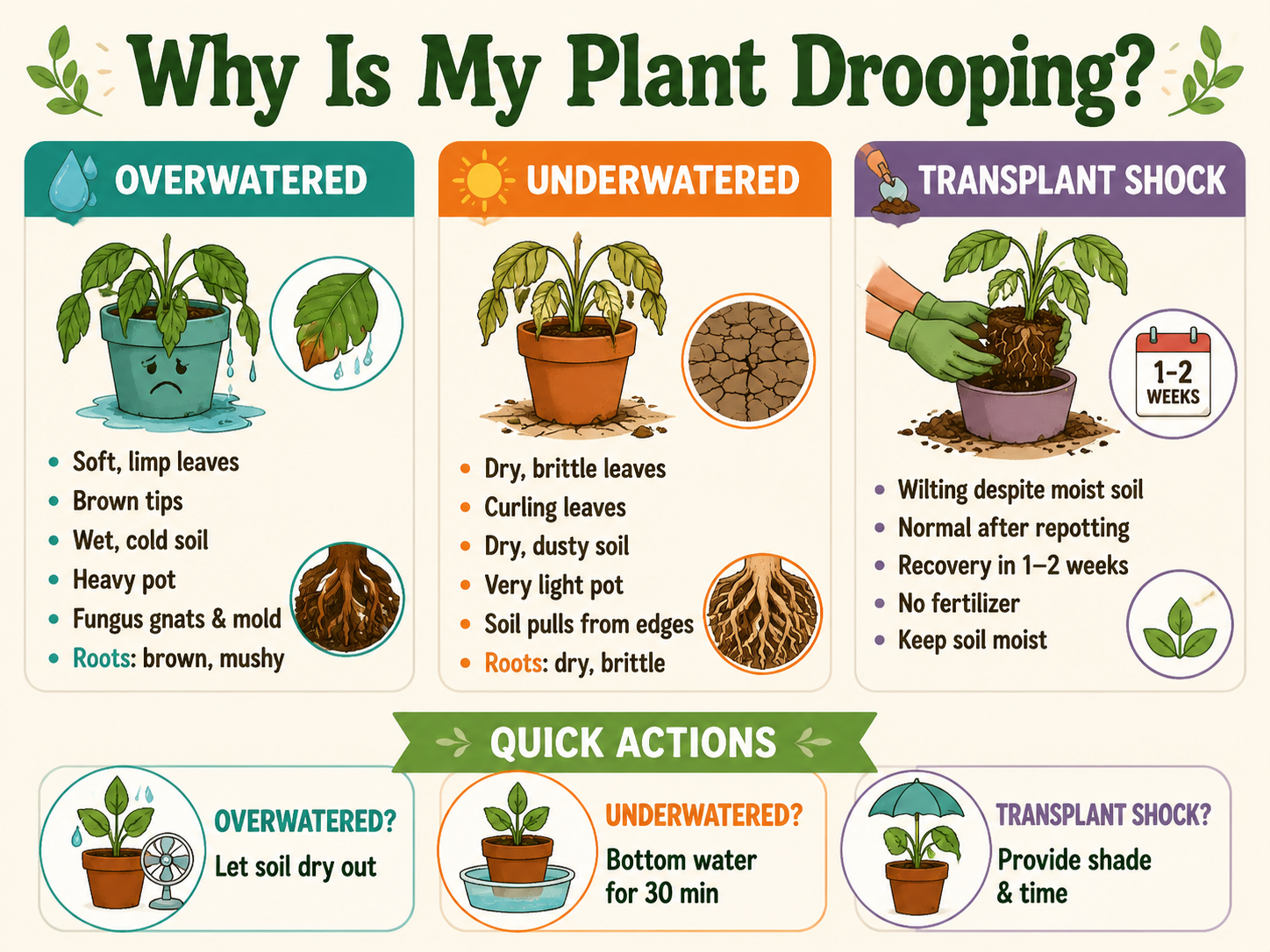
The difference is in how the roots fail:
- Underwatering: The roots dry out and simply can't absorb water or nutrients—there's nothing there to pull up.
- Overwatering: The roots rot and suffocate. Roots need to breathe (respire), and soggy soil cuts off that gas exchange. Waterlogged, rotting roots can't absorb water even when it's all around them.
This is the part that trips up almost every new plant parent: a plant can wilt while sitting in soaking-wet soil. It looks thirsty, so the instinct is to water more—but the roots are too damaged to drink, and more water only makes the rot worse.
There's also a third culprit: repot shock. When you move a plant, you disturb the fine root hairs that do most of the water absorption. A freshly repotted plant can droop for days even in perfectly moist soil.
So don't diagnose by the leaves alone. The leaves lie. To tell these three apart, you have to check the soil and roots directly—which is exactly what the checks below walk you through.
The Quick Diagnosis Checklist: 4 Checks Before You Water
Before you grab the watering can, run these four checks. They take under a minute and will stop you from watering a plant that's already drowning—the single most common mistake new plant parents make.
1. Feel the leaves
Pinch a drooping leaf. Soft and limp points to overwatering. Dry, thin, and brittle points to underwatering. Overwatered leaves feel almost waterlogged; underwatered ones feel like paper.
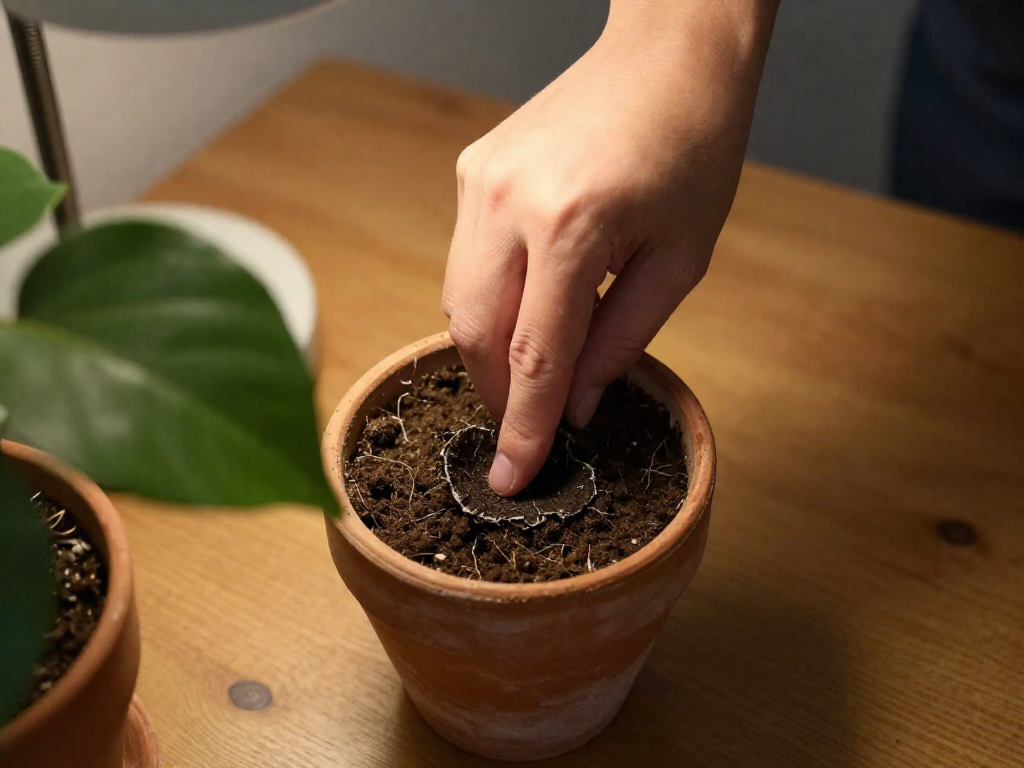
2. Do the finger test
Push a finger 1–2 inches into the soil, up to your first knuckle:
- Wet and cold → likely overwatered. Don't add water.
- Dry and dusty → needs water.
- Evenly moist → it's fine; look elsewhere for the cause.
This is the method most Master Gardeners recommend. Skip it on very small pots, where poking around can disturb the roots—use the pot-weight check below instead.
3. Lift the pot
Heft the pot in your hands. A very light pot points strongly to underwatering; a heavy pot points to overwatering. Pot weight is one of the most reliable signals because it reflects moisture deep in the root zone, not just the surface. Learn how your healthy plants feel when properly watered, and comparing becomes second nature.
4. Check recovery speed (after you water)
If you do water, watch what happens. An underwatered plant usually perks up within hours—rapid recovery means it was simply thirsty, not root-damaged. An overwatered plant recovers slowly or not at all, because the problem is soggy, struggling roots.
One catch: don't trust the surface
The top of the soil can be dry while deeper zones stay wet, especially in large pots. To check deep moisture, push a wooden skewer (like a kebab stick) all the way in and pull it out slowly: damp soil clinging to it means wait; dry soil that falls off means water.
And ask yourself: did you move or repot this plant in the last few weeks? If so, suspect transplant shock first—repotting damages the fine root hairs that absorb water, so the plant can wilt even in perfectly moist soil.
Overwatered: Signs, Secondary Clues, and How to Recover
Overwatering is the number-one cause of houseplant death, and the tricky part is that it can look like thirst. An overwatered plant often wilts even though the soil is wet, because the roots are rotting and can no longer absorb water.
What overwatering looks like
The first sign in most houseplants is brown leaf tips, followed by yellowing, drooping leaves and soft, mushy stems. Wilted leaves feel soft and limp (not dry and brittle, which points to underwatering). Push a finger about 2 inches (5 cm) into the pot: if it feels wet and cold and has stayed soggy for days, you're likely overwatering.
Secondary clues
Check the soil surface for tell-tale signs:
- Fungus gnats — tiny flies hovering around the plant that breed in constantly moist soil.
- White fuzzy mould growing on the surface.
- A musty or sour smell. Healthy soil smells earthy, not unpleasant; a rotten odor usually means root rot has set in.
The key rule
Do not keep watering. Overwatering gets worse every time you add more water. Let the substrate (the potting mix) dry down instead.
How to recover
- Move the plant to bright, indirect light.
- Make sure the pot drains freely and empty any standing water from the saucer.
- In bad cases, gently unpot and check the roots. Healthy roots are white or tan and firm; rotted roots are brown or black and mushy—trim those away before repotting in fresh, dry mix.
Underwatered: Signs and How to Rehydrate Correctly
If your plant is drooping because it's thirsty, the clues are all about dryness. The first sign is wilting: leaves go limp and, unlike an overwatered plant's soft, mushy foliage, they feel dry, brittle, and may even crumble when you touch them. Check the soil next—underwatered soil is dry, dusty, and noticeably lightweight when you lift the pot.
The tell-tale warning sign: severely dried-out soil actually shrinks and pulls away from the edges of the pot. When that happens, water you pour in runs straight down the gap along the sides and out the drainage holes without ever soaking the root ball (the mass of roots and soil around them). The plant looks watered, but the roots stayed dry.
How to rehydrate
Mild cases: Give a normal, thorough watering until water drains from the bottom. A truly thirsty plant usually perks up within a few hours—that quick rebound confirms dehydration rather than root damage.
Severe cases (soil pulled away from the pot): Bottom-water instead. Set the pot in a basin or sink filled with a few inches of water and leave it for about 30 minutes. The soil soaks water up from below, rehydrating the entire root ball evenly. Let it drain fully before returning it to its spot.
Transplant Shock: When Drooping Follows a Repot
If your plant started drooping within days of a repot or a move, the culprit is probably transplant shock—a temporary stress response, not overwatering or underwatering.
Why it happens: Repotting disturbs the roots and damages the fine root hairs (the tiny threads that actually absorb water and nutrients). Until they regrow, the plant can't drink properly—so it wilts even when the soil is moist. This is why watering more often makes things worse, not better.
What it looks like: Wilting, some yellowing, and general droopiness. A little of this is normal after any repot. Most plants recover within a few days to a few weeks as their roots settle.
How to help it recover:
- Keep soil consistently moist, never soggy. Water thoroughly and make sure the pot drains—no standing water.
- Move it to bright, indirect light, not harsh direct sun, until it perks up.
- Prune damaged or badly wilted leaves to reduce strain and encourage new growth.
Match watering to the old soil. If the plant was in moist soil before repotting, let it dry out slightly afterward. If it was dry, water right away. This prevents overwatering—a very common mistake after shock.
Don't fertilize yet. Wait until you see active new growth. Extra nutrients add stress to a plant that's already struggling and can burn recovering roots.
Still Not Sure? Do a Root Check
When the surface checks disagree or leave you guessing, the roots give you a definitive answer. Water your plant lightly an hour beforehand so the soil holds together, then gently tip the pot and slide the plant out to inspect the root ball (the mass of roots and soil that comes out with the plant).
Here's what you'll see:
- Healthy roots: white or tan, and firm to the touch.
- Overwatered or rotting roots: brown or black, mushy, and sometimes giving off a foul, sour smell. This is root rot.
- Underwatered roots: dry, brittle, and crumbly.
If you find rot, use clean scissors to trim off any clearly dead, mushy roots until only firm, healthy tissue remains. Then repot into fresh, well-draining soil and a clean pot with drainage holes.
For underwatered roots, no trimming is needed—just repot and rehydrate slowly so the water soaks the whole root ball instead of running off.
Prevent It Next Time: A Simple Watering Routine
The best way to stop future drooping is to water based on what the soil is doing, not on a fixed calendar day. Since damage depends on how long roots sit soggy or bone-dry, a 30-second check before each watering beats any set schedule.
Your before-you-water routine:
- Do the finger test (medium pots). Push a finger 1–2 inches into the soil. If the top inch to inch-and-a-half feels dry, water; if it's still moist, wait.
- Use a skewer for large pots. Insert a wooden skewer to the bottom, then pull it out slowly. If damp soil clings to it, hold off; if it comes out dry with soil falling away, it's time to water. The surface can be dry while deeper soil is still wet, so this checks the zone that matters.
- Water only in a pot with drainage, and empty the saucer afterward so roots never sit in standing water.
- Learn the "heavy vs. light" feel. Lift the pot right after watering, then again when it's dry. A very light pot means thirsty; a heavy pot means still wet. Soon a quick lift becomes your fastest daily cue.
Sources
- Overwatered Vs Underwatered Plants: Signs, Fix Tips (Full Guide) — myplantin.com
- Cannabis overwatering vs. underwatering | Cannoptikum — cannoptikum.com
- What are the signs of overwatering or underwatering houseplants? How frequently should houseplants be watered? — quora.com
- Navigating Transplant Shock in Plants: Causes, Symptoms, and Treatment – BIRDY'S PLANTS — birdysplants.com
- Dealing With the Dreaded Transplant Shock - Mother Natures Apprentice — mothernaturesapprentice.com
- Houseplant Habits: Transplant Shock – BWH Plant Co — bwhplantco.com
- What Is Transplant Shock & How to Deal with It — mars-hydro.com
- 5 Easy Ways to Tell Your Houseplant is Ready for Watering - Healthy Houseplants — healthyhouseplants.com
- Best method(s) for check houseplant soil moisture - Ask Extension — ask.extension.org
FAQ
Why is my plant drooping even though the soil is wet?
Drooping in wet soil is a classic sign of overwatering, not thirst. When soil stays soggy too long, the roots can't get oxygen (roots need to breathe) and begin to rot, so they can no longer absorb the water sitting around them. The plant looks limp and "thirsty" even though it's surrounded by moisture. Don't add more water—it will make things worse. Instead, stop watering and let the soil dry out, move the plant to bright indirect light, and check for other overwatering clues like a musty or sour smell, white mold on the surface, or fungus gnats. If it's severe, slide the plant out and inspect the roots: healthy roots are white or tan and firm, while rotting roots are brown or black, mushy, and may smell. Trim any mushy roots and repot into fresh, well-draining soil.
How can I tell if my plant is overwatered or underwatered?
This is tricky because both problems can look nearly identical above ground—drooping, yellowing, and dropping leaves—since both damage the roots and cut off the plant's water supply. The fastest way to tell them apart is to check the soil and the leaves together. Push a finger about 1–2 inches into the soil: if it's wet and cold, you're likely overwatering; if it's dry and dusty (and the soil is pulling away from the pot's edges), the plant needs water. Next, feel the wilting leaves: overwatered leaves are soft and limp, while underwatered leaves are dry and brittle. Two more clues help confirm it. Lift the pot—a very light pot points to underwatering, a heavy one to overwatering. And watch the progression: underwatered plants perk up within hours of watering, while overwatered plants recover slowly or not at all. Early on, brown leaf tips often signal overwatering and sudden wilting signals underwatering, but later the symptoms converge, so use the soil and leaf checks together.
How long does it take a plant to recover from transplant shock?
Most plants recover from transplant shock within a few days to a few weeks once their roots settle into the new pot. Transplant shock is a temporary stress response caused by disturbing the roots during repotting—especially the fine root hairs that absorb water and nutrients—which is why a freshly repotted plant may wilt or yellow even when the soil is moist. Some wilting or yellowing right after repotting is completely normal. To speed recovery, keep the soil consistently moist but never soggy, move the plant to bright indirect light (temporary shade reduces stress), and prune off badly damaged leaves so the plant can focus energy on new roots. Hold off on fertilizer until you see fresh growth, since extra nutrients only add stress. If the plant keeps declining well beyond a few weeks, inspect the roots for rot rather than assuming it's still just shock.
Should I water a wilting plant right after repotting it?
It depends on how moist the soil was before you repotted, because overwatering is one of the most common problems after transplant shock. If the plant was in dry soil beforehand, go ahead and water it right after repotting. If it was already in moist soil, hold off and let it dry out slightly first. Remember that a plant can wilt after repotting simply because its disturbed roots temporarily can't absorb water well—not because it's thirsty—so reflexively watering a droopy, freshly repotted plant can push it into overwatering and root rot. After that first watering, keep the soil consistently moist but not soggy, make sure the pot drains freely with no standing water, and give the plant bright indirect light while it recovers. Skip fertilizer until you see new growth.
How quickly should an underwatered plant perk up after watering?
A genuinely thirsty plant usually bounces back within a few hours of a thorough watering—often you'll see leaves and stems firm up the same day. That fast recovery is actually a useful diagnostic: quick rebound points to simple dehydration rather than root damage. If your plant is severely dry and the soil has shrunk away from the pot's edges (so water just runs down the sides), bottom water it: set the pot in a basin of water for about 30 minutes so the soil soaks up moisture from below and rehydrates the entire root ball. If the plant does not perk up within a day or two after watering, dehydration probably isn't the problem—look instead at overwatering or root rot, which recover slowly or not at all.
What's the most reliable way to check if my plant needs water?
For most houseplants, the simplest reliable method is the finger test: push your finger into the soil up to your first knuckle (about 1–2 inches), and water only if that top inch to inch-and-a-half feels dry. It's the method most Master Gardeners recommend. For larger or deeper pots, the surface can be misleading—it may feel dry while deeper soil is still wet—so combine the finger test with two other checks. Lift the pot to feel its weight: very light means dry and probably time to water, heavy means still wet. Or insert a wooden skewer deep into the soil, wait a moment, then pull it out—if damp soil clings to it, wait; if it comes out dry with soil falling off, water. Skip the finger test on very small pots, since poking around can disturb tiny root systems. Getting watering right matters: incorrect watering is the number one cause of houseplant death, and both overwatering and underwatering become more deadly the longer the soil stays soggy or bone dry.
See also
- How to water houseplants correctly for beginners
- Signs of root rot and how to save your plant
- How to repot a houseplant without shocking it
- Best well-draining potting mix for indoor plants
- Yellow leaves on houseplants: causes and fixes
- How often should you water indoor plants
Related articles
My New Plant Is Dropping Leaves: Is It Normal?
New plant dropping leaves after you brought it home? Learn when leaf drop is normal acclimation and when it signals a real problem you need to fix.
Jul 14, 2026 · 5 min read
Leggy, Stretched-Out Plants: Why and How to Fix It
Is your plant growing tall, pale, and sparse? Learn what causes leggy, etiolated growth and the exact steps to fix it and prevent it from coming back.
Jul 14, 2026 · 10 min read
Overwatering vs. Underwatering: How to Tell the Difference
Is your plant overwatered or underwatered? Compare symptoms side by side, run 4 quick checks, and follow plant-by-plant recovery steps for apartment plants.
Jul 14, 2026 · 8 min read