My New Plant Is Dropping Leaves: Is It Normal?
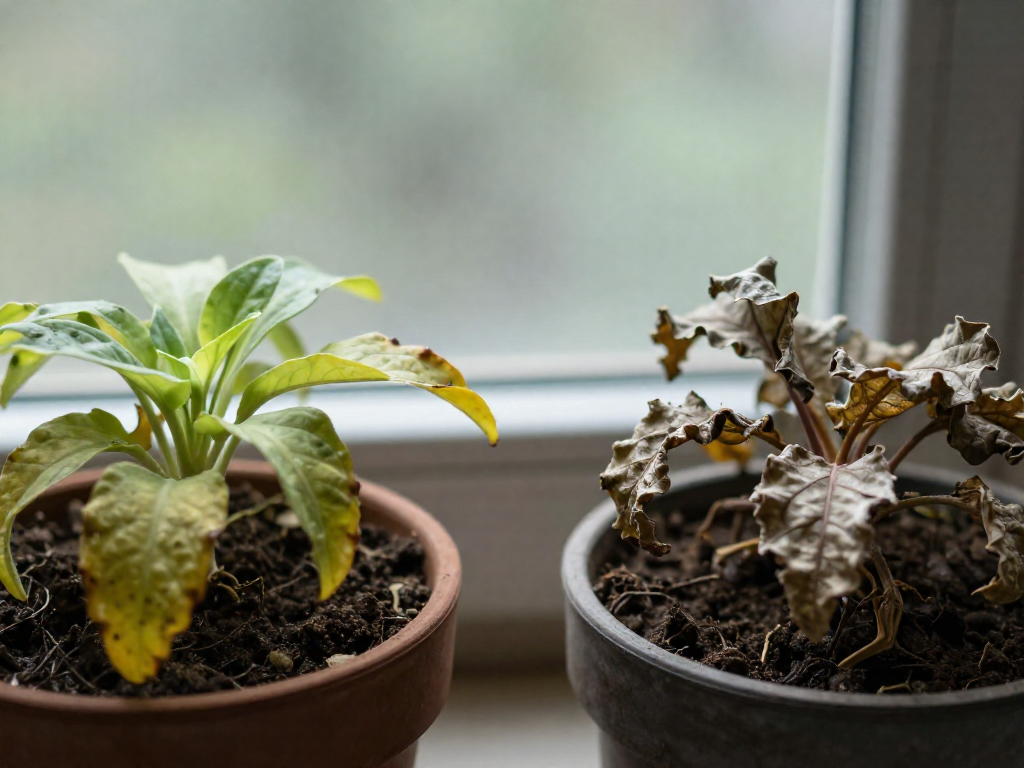
Why does my plant drop leaves after I bring it home?
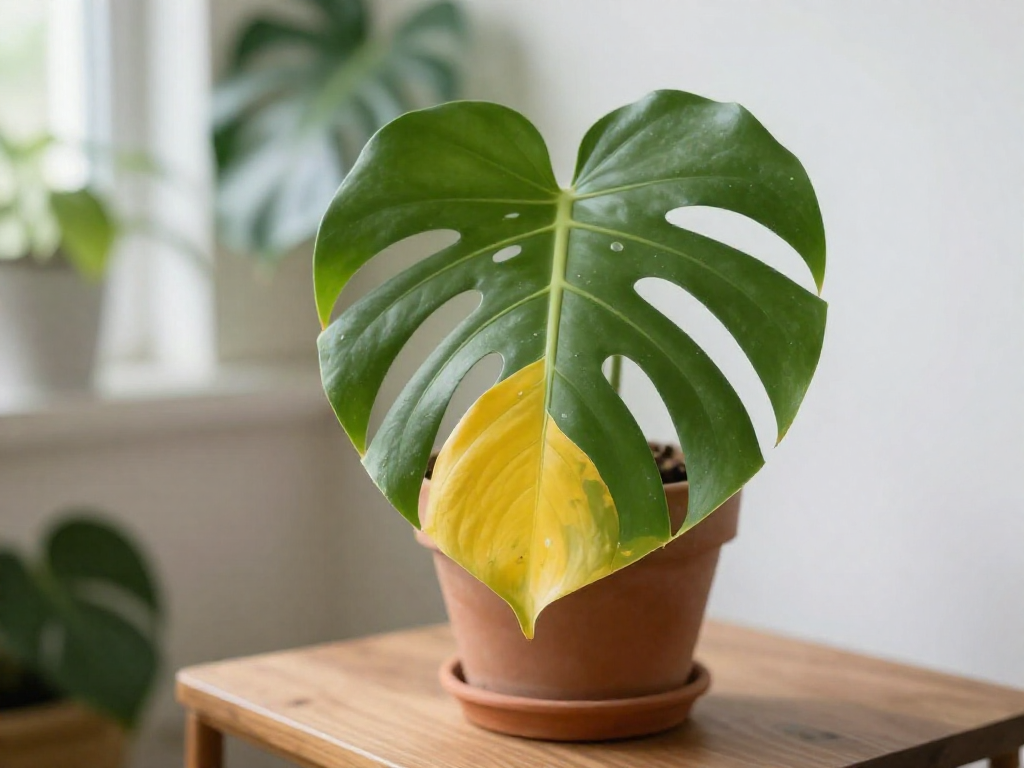
On this page
The Short Answer: Usually Yes, It's Normal
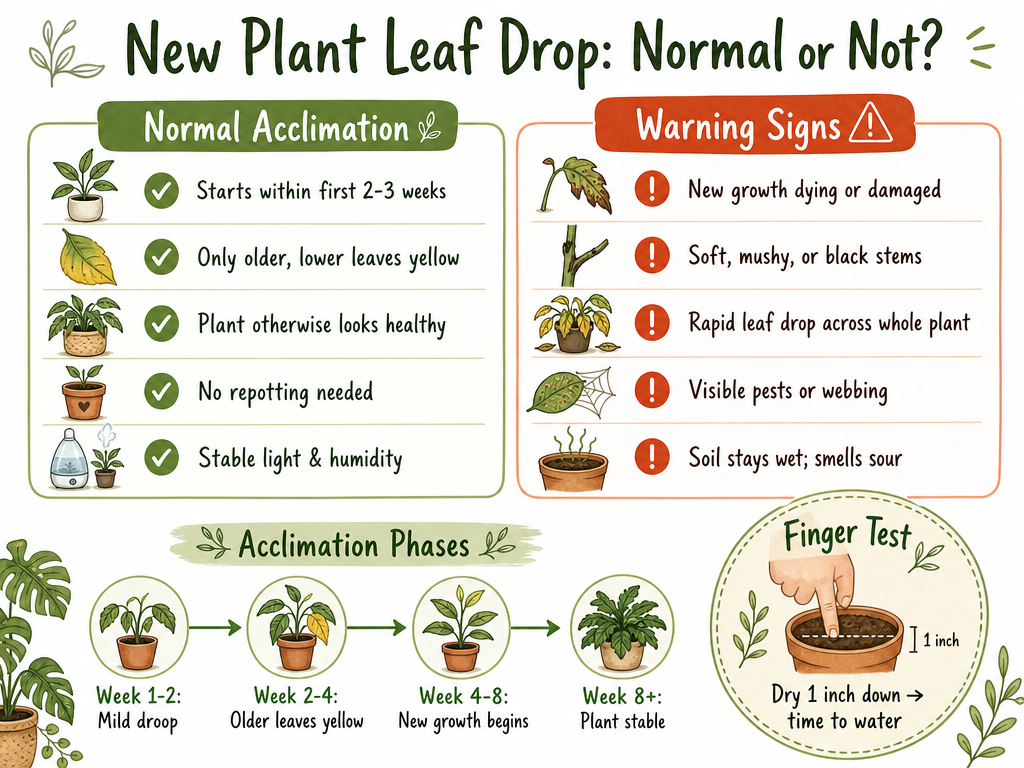
If your new plant is dropping a few leaves in its first couple of weeks at home, take a breath: this is almost always normal. It's called acclimation — the plant adjusting to the new light, humidity, and temperature of your space — and most plants settle in within 2–3 weeks. The plant is reacting to change, not dying.
Some leaf drop is also just routine housekeeping. Plants regularly shed older leaves to redirect energy toward fresh growth, much like people naturally lose hair. A few older leaves letting go isn't a warning sign.
So when should you worry? The goal of this article is simple: help you tell normal acclimation apart from a real problem, so you know when to relax and when to act.
Why New Plants Drop Leaves: Acclimation Shock Explained
When your plant loses leaves after coming home, it's usually reacting to a big change in its environment—not something you did wrong. This adjustment period is called acclimation (the process of a plant adapting to new growing conditions).
The plant you bought was likely raised in a nursery or greenhouse, where light is brighter, steadier, and often supplemented, and the air is kept more humid. A typical apartment is the opposite: light comes from one direction, shifts with the seasons, and indoor air can get dry fast. That sudden drop in light and humidity stresses the plant.
If your plant was just repotted, it may also be dealing with transplant shock—stress from root disturbance combined with abrupt changes in its surroundings. Common symptoms of both include wilting, yellowing, leaf drop, and growth that slows or pauses.
Some species are especially touchy. Fiddle leaf figs, weeping ficus (Ficus benjamina), rubber plants, and crotons can drop leaves just from being moved across a room. If yours is one of these, a little leaf loss is expected—and it usually stops once the plant settles in.
Normal vs. Real Problem: How to Tell the Difference
Not all leaf drop means trouble. Use this quick comparison to decide whether to relax or step in.
Probably Normal (keep watching, don't panic)
- A few older leaves drop — the inner or lower leaves fall while the rest of the plant looks healthy. Plants regularly shed older leaves to send energy to new growth.
- The drop is slow and tapers off. Only fully yellow or dry leaves are falling, and the pace is winding down, not speeding up.
- New growth still looks normal. Even a stressed, acclimating plant will usually keep pushing healthy new leaves.
Check Immediately (a real problem may be underway)
- Rapid leaf drop across most of the plant, not just a few older leaves.
- New growth dying back or emerging damaged, or stems that turn soft, black, or mushy.
- Wet soil plus wilting, or a sour, swampy smell from the potting mix (the medium your plant grows in) — a classic overwatering and root-rot warning.
- Visible pests, fine webbing, or sticky residue on leaves.
- Brown or black patches that spread quickly across leaves or stems.
One Important Tip
Don't rush to pull off half-yellow leaves. If a leaf is still partly green, your plant may still be pulling useful nutrients from it. Remove leaves only once they're fully yellow, dry, or clearly rotting.
How Long Acclimation Takes (Timeline by Plant Type)
How long you wait before worrying depends on the plant. Tougher, low-maintenance plants settle in fast, while thirsty, humidity-loving types take much longer. Here's a rough guide:
- Tolerant plants (pothos, ZZ plant, snake plant, cast iron plant): about 2–4 weeks
- Moderate adjusters (philodendron, peace lily, Monstera adansonii): about 3–6 weeks
- Humidity-sensitive or large plants (Calathea, fiddle leaf fig, most ferns): about 6–8+ weeks
Within those windows, most plants follow the same pattern:
- Days 1–7: mild droop, maybe one damaged leaf, slower water use
- Weeks 2–4: some older leaves yellow and drop; growth pauses
- Weeks 4–8: leaf drop slows and new growth begins
If you recently repotted, mild transplant shock (the stress from disturbed roots and new conditions) usually clears in one to two weeks on its own.
Use these as expectations, not deadlines. If drop is slowing and you see new growth by week 4–8, your plant is on track.
What to Do (and Not Do) While Your Plant Adjusts
The most damaging mistake with a new plant isn't neglect—it's over-helping. The first few days are for observation, not intervention. Resist the urge to fix things.
Don't do these yet:
- Don't repot. Disturbing the roots now adds transplant shock (stress from root disturbance and sudden change) on top of acclimation.
- Don't fertilize. A stressed plant isn't growing much and can't use the extra nutrients.
- Don't water on autopilot. Water only when the plant actually needs it—see below.
Do these instead:
- Place it in bright, indirect light (bright but out of direct sun), away from drafts, heat vents, and cold windows.
- Use the finger test before watering. Push a finger into the soil to your knuckle. Soggy or standing water means you're overwatering; dry an inch below the surface means it's time to water.
- Keep conditions stable. Aim for roughly 65–75°F, avoid dips below 60°F, and know most homes sit at 40–60% humidity, which is fine for adjusting.
One caution: light-shortage leaf drop can be delayed for months. Plants burn through stored light reserves first, then start shedding lower leaves—so give a dim spot more light before problems appear.
When to Worry: Signs It's Not Just Acclimation
Most new plants settle within a few weeks. But if symptoms are still getting worse after 8 or more weeks of steady, unchanged care, this isn't acclimation—it's a problem you need to solve.
Check for these red flags:
- Root rot: Roots that are mushy and black, or soil that smells sour, mean the roots are dying. Slide the plant out and look.
- Watering issues: After the first signs, overwatering and underwatering look nearly identical (yellow, drooping, falling leaves). Feel the soil an inch down before you act—wet means stop watering, bone-dry means water.
- Pests: Webbing, sticky residue, or crawling insects need direct treatment, not patience.
When something's wrong, change one thing at a time and give the plant a week or two to respond before changing anything else.
Sources
- Why is my plant losing leaves? | Houseplant UK — houseplant.co.uk
- Houseplant Acclimation Guide: Why New Plants Look Unhappy | Foliage Factory — foliage-factory.com
- Houseplant Habits: Transplant Shock — bwhplantco.com
- What Is Transplant Shock & How to Deal with It — mars-hydro.com
- Why Is My Plant Dropping Leaves — pennington.com
- Diagnosing Houseplant Problems from Improper Environmental Conditions | Yard and Garden — yardandgarden.extension.iastate.edu
- Why Houseplants Lose Leaves - Healthy Houseplants — healthyhouseplants.com
- What are the signs of overwatering or underwatering houseplants? — quora.com
- Reading the Leaves: Signs of Overwatering and Underwatering & How to Know the Difference - Rockledge Gardens — rockledgegardens.com
- Transpiration - Factors Affecting Rates of Transpiration | passel — passel2.unl.edu
- Leaf Drop in Indoor Plants | Causes and Easy Solutions — eplanters.com
See also
- Overwatering vs. underwatering: how to read the signs
- How to check if your plant needs water (the finger test)
- Best low-light houseplants for apartments
- How to increase humidity for houseplants in a dry apartment
- Fiddle leaf fig care guide for beginners
- How to repot a houseplant without shocking it
Related articles
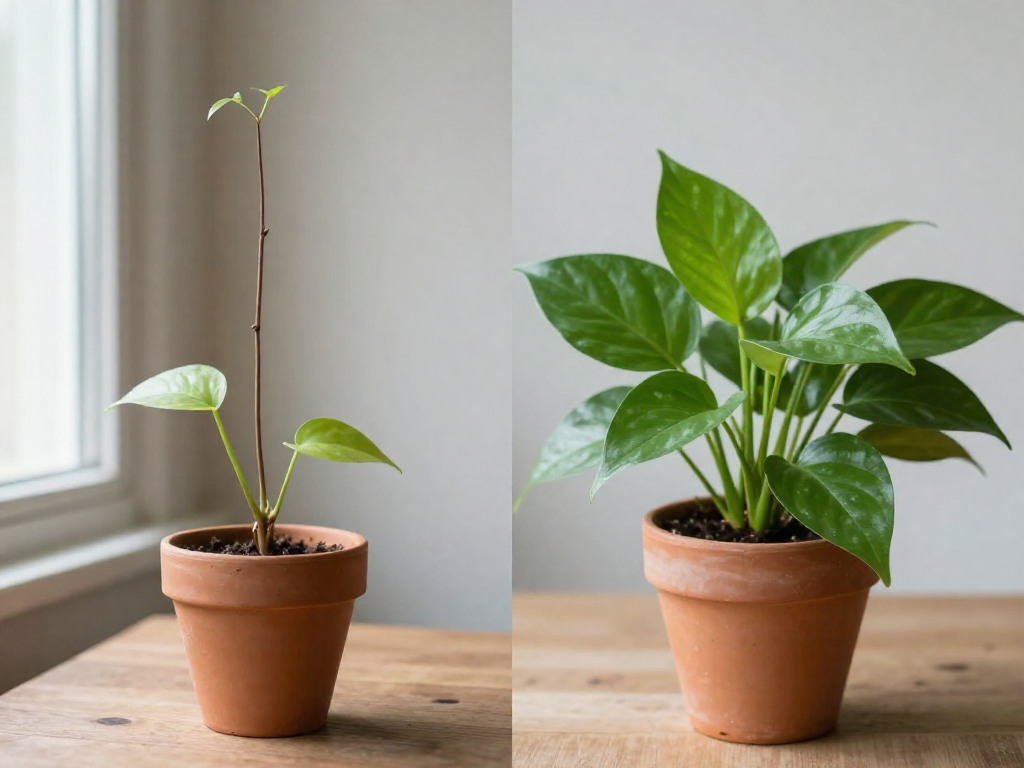
Leggy, Stretched-Out Plants: Why and How to Fix It
Is your plant growing tall, pale, and sparse? Learn what causes leggy, etiolated growth and the exact steps to fix it and prevent it from coming back.
Jul 14, 2026 · 10 min read
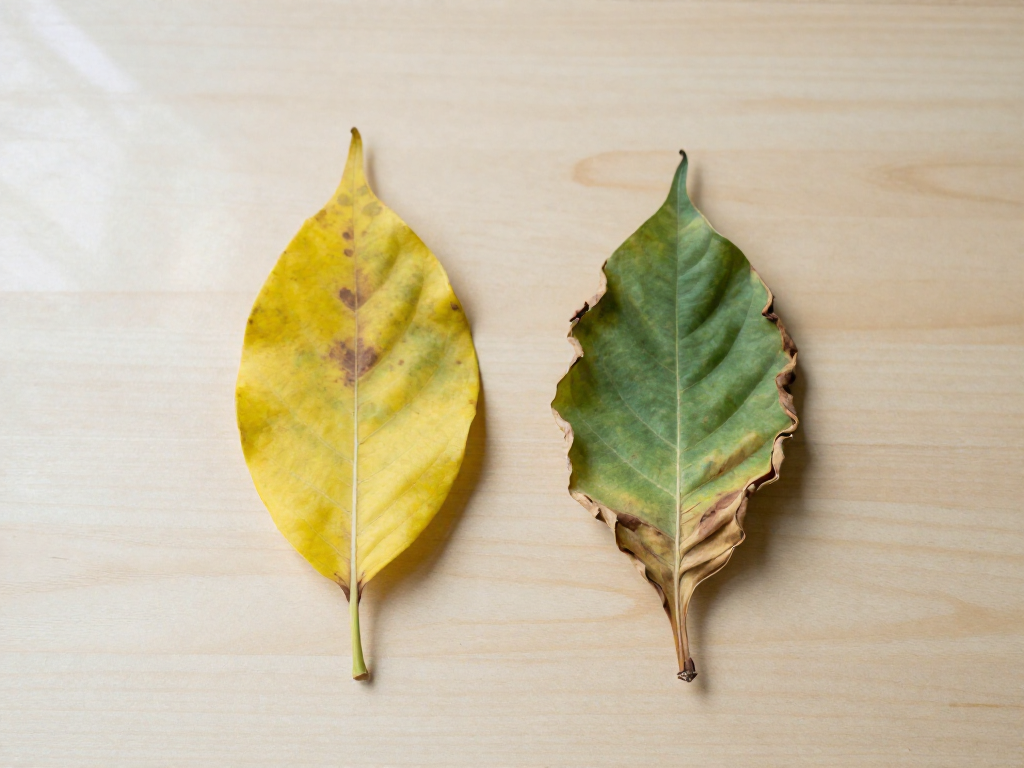
Overwatering vs. Underwatering: How to Tell the Difference
Is your plant overwatered or underwatered? Compare symptoms side by side, run 4 quick checks, and follow plant-by-plant recovery steps for apartment plants.
Jul 14, 2026 · 8 min read
Why Is My Plant Drooping? Overwater, Underwater, or Shock
A drooping plant can mean thirst, overwatering, or repot shock—and they look alike. Use these simple checks to find the real cause and fix it fast.
Jul 14, 2026 · 12 min read