Rubber Plant (Ficus elastica) Care Basics
How do I care for a rubber plant and keep leaves glossy?
On this page
Open by reassuring nervous new plant parents that the rubber plant is the most forgiving of the popular ficus trees—easier to keep alive than a fiddle-leaf fig—then promise a simple, plant-by-plant routine that keeps its signature big leaves shiny. Set the expectation that "glossy leaves" come from good overall care plus gentle cleaning, not shine sprays.
Meet the Rubber Plant: Why It's a Great Beginner Tree
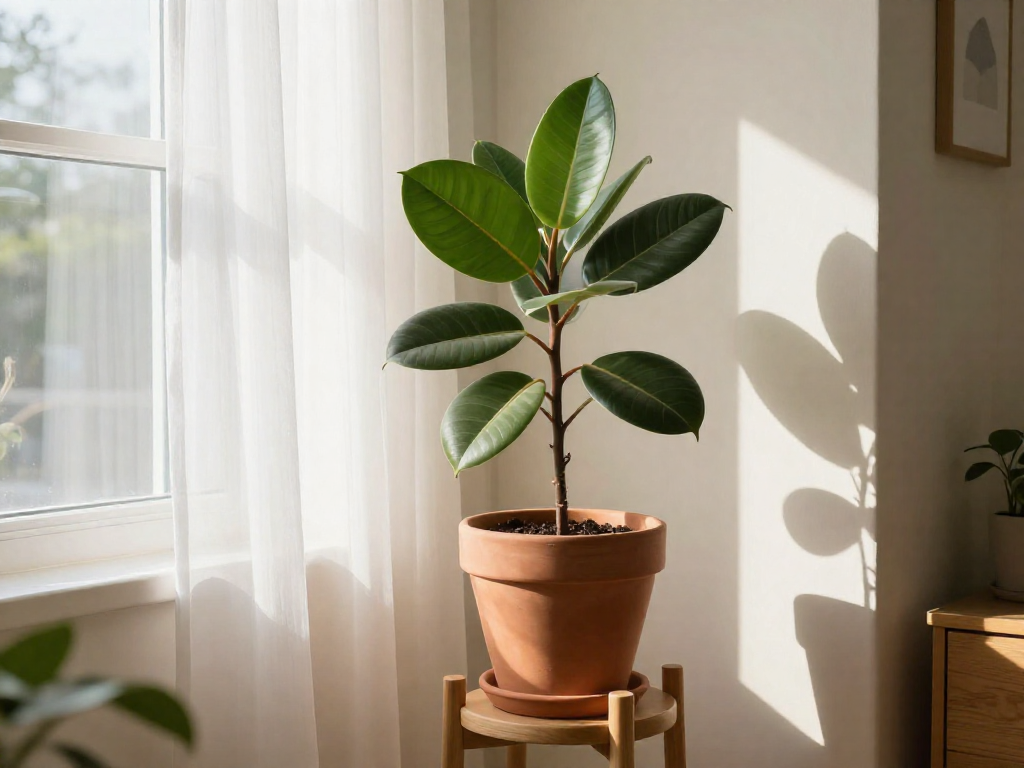
If you want a rubber plant (Ficus elastica) with glossy, healthy leaves, the good news is that most of the work comes down to steady basics: bright indirect light, watering when the top inch of soil dries, and wiping the leaves clean a couple of times a year. It's one of the most forgiving indoor trees you can buy, which is exactly why it's such a good first "big" plant for an apartment.
The rubber plant is easy to grow, tolerates a range of conditions, and is widely recommended as an excellent beginner plant (Clemson HGIC). It's also the easiest of the common ficus trio to keep alive—far more forgiving than the fussier fiddle-leaf fig and weeping fig, which need higher light and sulk more easily (Joy Us Garden).
Indoors, it can reach 6 to 10 feet tall, with oblong, glossy leaves 8 to 12 inches long—but you can prune it to keep it at whatever height suits your space (Clemson HGIC). Beginner-friendly varieties to look for include Robusta (deep green), Burgundy (near-black leaves), and the pink-and-cream variegated Ruby and Tineke (The Spruce).
One quick safety note: the milky sap is toxic and can irritate skin, so keep it away from curious pets and kids. We'll cover safe handling in detail later.
Light: Bright, Indirect Is the Sweet Spot
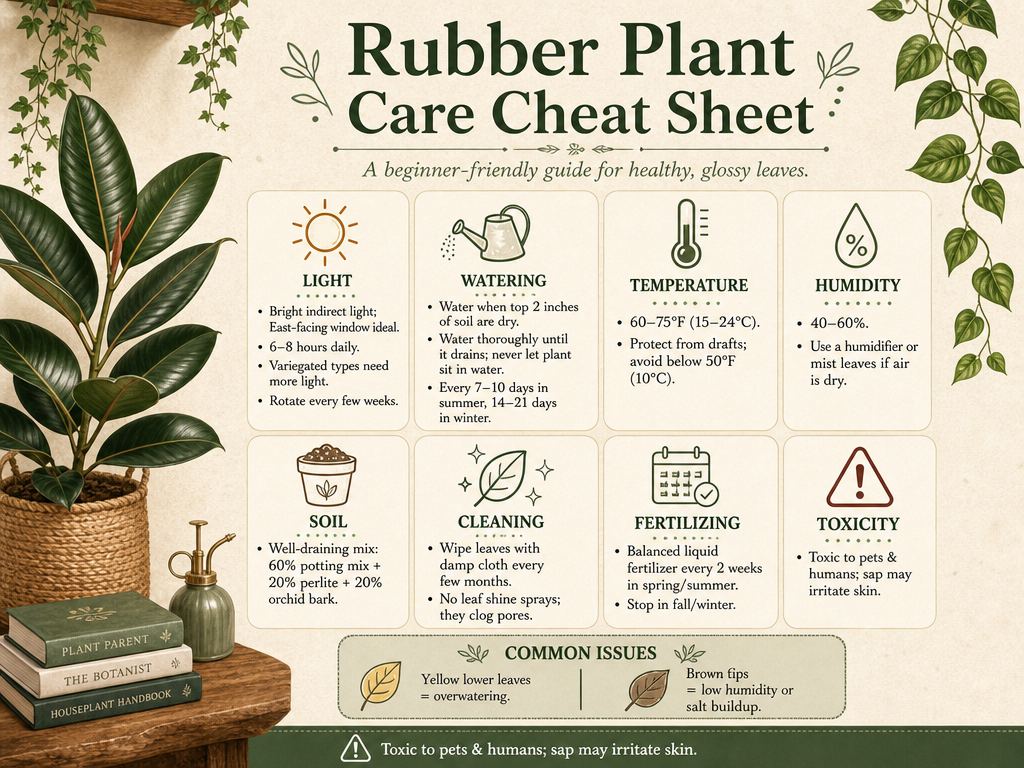
Light is the single biggest factor in whether your rubber plant grows glossy, evenly spaced leaves or stretches out thin and dull. Aim for 6 to 8 hours of bright, indirect light a day. "Bright, indirect" means a spot that feels well-lit but where the sun's rays don't land directly on the leaves—think a few feet back from a sunny window, or right beside a window that doesn't get direct afternoon sun.
An east-facing window is ideal, because it delivers gentle morning light and then stays bright the rest of the day. What you want to avoid is harsh, direct afternoon sun, which can scorch the large leaves and leave dry brown patches.
Match the light to your variety
How much light your plant needs depends on which type you have:
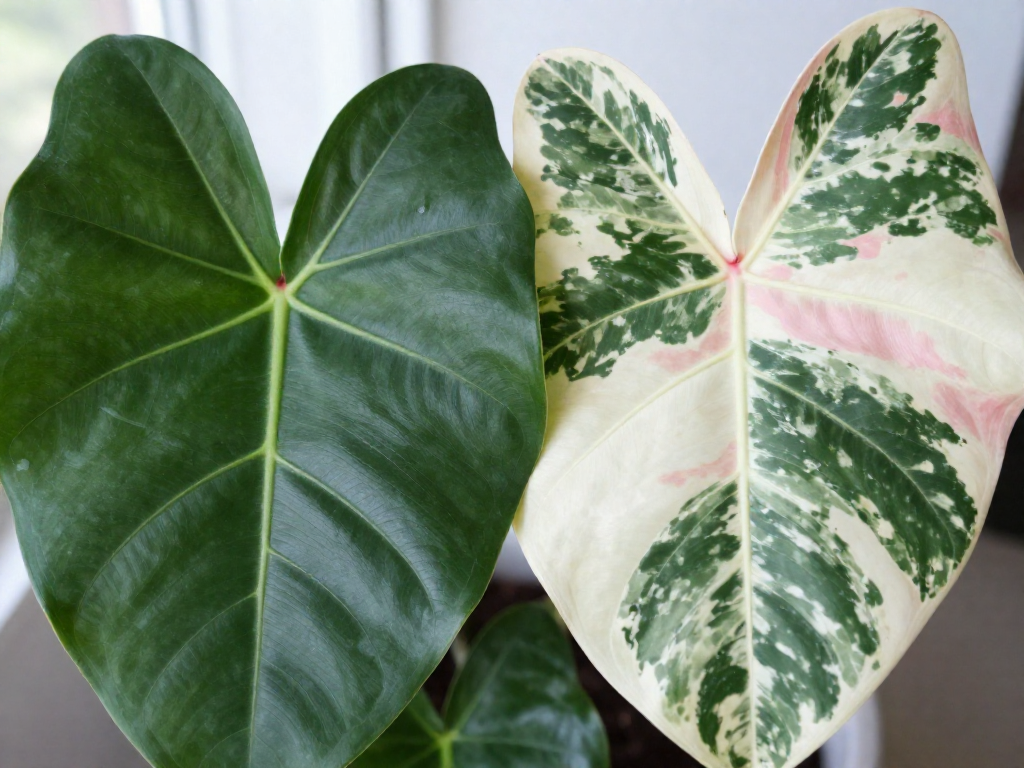
- Variegated types (like 'Tineke' and 'Ruby'), with cream, pink, or white markings, need brighter light to keep their coloring. Too little and the variegation fades toward plain green.
- Solid green types (like 'Robusta' and 'Burgundy') tolerate a bit less light and are more forgiving in a dimmer corner.
Neither type should sit in direct sun—both can sunburn.
Signs the light is wrong
If your rubber plant isn't getting enough light, you'll see leggy, sparse growth: long bare stems, wide gaps between leaves, and new leaves that come in smaller and duller than the old ones. Moving it closer to a bright window usually turns this around.
Rotate for even growth
Rubber plants lean hard toward the nearest light source, so they can grow lopsided. Give the pot a quarter turn every few weeks (or at least every couple of months) so all sides get light and the plant grows straight and balanced.
Watering: Let the Top Inch or Two Dry Out
Overwatering is the number one reason rubber plants struggle, so the goal is simple: water only when the top of the soil has dried out. Before you reach for the watering can, poke a finger about 1 to 2 inches into the soil. If it feels dry at your fingertip, it's time to water. If it still feels damp, wait a few days and check again.
When you do water, water thoroughly. Pour slowly until water runs out of the drainage holes at the bottom of the pot—this makes sure the whole root ball gets a drink, not just the top layer. Then empty the saucer. Never let your rubber plant sit in standing water, which suffocates the roots and can lead to root rot (a disease where soggy roots rot and turn mushy, often killing the plant).
How often should I water?
There's no fixed schedule, because how fast soil dries depends on your light, warmth, and pot size. As a rough guide, expect to water about every 7–10 days in the warm growing months and less often, around every 14–21 days in winter, when lower light and cooler temperatures slow growth. Always let the "finger test" have the final say over the calendar.
A few extra tips to keep leaves glossy and healthy:
- Use room-temperature water. Cold water can shock the roots.
- Watch the leaf edges. If your tap water is high in minerals, salts can build up and cause brown, crispy leaf tips. Switching to filtered water helps prevent this salt burn.
- Read the leaves. Yellowing or browning leaves, usually starting from the bottom, is a classic sign of overwatering. If you see this, let the soil dry out completely before watering again.
When in doubt, wait a day. Rubber plants forgive slightly dry soil far more easily than soggy soil.
Temperature, Humidity & Soil
Rubber plants aren't fussy about their surroundings, but a few basics keep them thriving.
Temperature: Aim for a room between 60 and 75°F—normal apartment comfort range. Keep your plant away from cold drafts, drafty windows, and heating or AC vents. Temperatures below 50°F can slow growth and trigger leaf drop, so move it away from windows on freezing nights.
Humidity: Rubber plants do best at 40–60% humidity. Most apartments fall in this range, but dry winter air (especially with the heat running) can dip lower. A small humidifier nearby helps. Don't try to compensate by watering more often—that's a common cause of root rot, where soggy soil suffocates and rots the roots.
Soil: Use a well-draining mix so water flows through quickly instead of pooling around the roots. A reliable blend is roughly 3 parts potting mix, 1 part perlite, and 1 part orchid bark (perlite is a lightweight white mineral that adds air pockets; orchid bark is chunky wood that improves drainage). Sharp drainage is essential for any Ficus.
Repotting: Repot every 1–2 years, or when the plant becomes root bound—meaning roots circle the pot or poke out the drainage holes. Go up just one pot size at a time; an oversized pot holds extra moisture the roots can't use.
Feeding: Fertilize Only in the Growing Season
Rubber plants are light feeders, so the biggest feeding mistake is giving them too much. During the growing season—spring and summer, when your plant is actively pushing out new leaves—feed every two weeks with a balanced liquid houseplant fertilizer (one with roughly equal amounts of the three main nutrients listed on the label). Follow the dilution instructions on the bottle; there's no need to make it stronger.
In fall and winter, growth naturally slows, so cut back or pause feeding entirely until spring. Rubber plants in a lower-light spot grow more slowly year-round, so feed them less often than a plant sitting in bright, indirect light.
Watch for signs you're overdoing it: too much fertilizer can cause weak, "leggy" growth (long, stretched-out stems with sparse leaves) or leaf burn, where leaf edges turn brown and crispy. When in doubt, feed less—your rubber plant will forgive an occasional skipped feeding far more easily than too much.
How to Keep the Leaves Glossy (The Right Way)
Here's the truth that saves you money: rubber plant leaves stay glossy mostly because of good overall care—right light, proper watering, decent humidity, and seasonal feeding—not because of a spray or a home remedy. A healthy, clean leaf shines on its own. So before you buy anything, nail the basics covered in the earlier sections.
The only "product" you need is a soft, damp, lint-free cloth (a cotton rag or old T-shirt works).
The simple cleaning routine
- Dust once or twice a year. Gently wipe each leaf with a soft, slightly damp, lint-free cloth. For small plants, you can rinse them off in the shower or with a hose instead. Cleaning removes dust that dulls the leaves and blocks light the plant needs to photosynthesize (make food from light).
- For dirtier leaves, add a couple of drops of dish soap to a bowl of warm water, wipe gently, then rinse with plain water so no soap residue is left behind.
- For hard-water spots, mix 1 teaspoon of white vinegar into 1 gallon of warm water and wipe the marks away. Use this sparingly—only when you actually see mineral spots.
- Don't over-scrub. Aggressive rubbing can scratch the leaf's surface and actually make it look duller.
Skip the shine products
Avoid leaf shine sprays, coconut oil, and mayonnaise "hacks." Besides looking unnaturally glassy, oils and sprays clog the leaf's stomata—the tiny pores it uses to breathe. A clean leaf and good care will always beat a coated one.
Troubleshooting Common Problems
Even easygoing rubber plants send warning signs. Here's how to read them and what to do.
Yellow or brown leaves starting at the bottom. This usually means overwatering, often paired with too little light. Stop watering and let the soil dry out completely before you water again—this can take two to three weeks. Then move the plant somewhere brighter with more indirect light (light that reaches the plant without the sun's rays hitting the leaves directly).
Brown leaf tips. Dry air or mineral buildup is the likely cause. Rubber plants tolerate normal indoor humidity, but very dry rooms can crisp the tips. Tap water high in salts or minerals can also burn the edges over time. If your tap water is hard, switch to filtered water.
Leggy growth with small leaves. When stems stretch, lean toward the window, and produce undersized leaves, the plant wants more light. Move it to a brighter spot with bright, indirect light.
Fading variegation. Variegated types (like 'Tineke' or 'Ruby,' with cream, pink, or lighter patches) need more bright, indirect light than solid green ones to hold their color. If patterns dull, give them a brighter location—just never direct sun, which scorches the leaves.
Safety: Toxic Sap Around Pets and Kids
Rubber plants are toxic, so place yours where curious pets and small children can't reach it—a high shelf or a room they don't roam. The plant's milky white sap (the sticky fluid that seeps from cut or broken stems) can irritate skin on contact, and it may upset the stomach if a leaf or stem is chewed or swallowed.
Take a few simple precautions when you handle the plant:
- Wear gloves whenever you prune or take cuttings.
- Wash your hands with soap and water afterward, especially before touching your face.
- Wipe up drips of sap from floors, pots, or furniture right away.
If a pet or child eats any part of the plant or gets sap in their eyes, call your vet, doctor, or poison control for guidance.
Sources
- Rubber Plant | Home & Garden Information Center — hgic.clemson.edu
- How Much Light Does a Rubber Plant Need? A Detailed Seasonal Guide — livelyroot.com
- Rubber Plant Care: A Ficus Elastica Growing Guide — joyusgarden.com
- how to care for ficus elastica - Leafy Life — leafy-life.com
- Rubber Tree Plant Care - How to Grow Ficus elastica 'Burgundy' - Soltech — soltech.com
- Rubber Tree Care Guide by Léon & George — leonandgeorge.com
- Rubber Plants: Ultimate Growing Guide and 16 Common Problems — ohiotropics.com
- How to Make Plant Leaves Shiny and Glossy With Leaf Shine – Houseplant Resource Center — houseplantresourcecenter.com
- A Beginner's Guide for Growing Rubber Plants Indoors the Easy Way — thespruce.com
FAQ
How often should I water a rubber plant?
Water your rubber plant when the top 1-2 inches of soil feel dry—poke your finger into the pot to check. In spring and summer this usually means roughly every 7-10 days; in winter, when growth slows, back off to every 14-21 days. Always water thoroughly until it drains from the pot's drainage holes, then empty the saucer so the plant never sits in water. Use room-temperature water, and remember that overwatering (not underwatering) is the most common cause of trouble, since soggy roots lead to root rot.
Why are my rubber plant's leaves turning yellow?
Yellowing leaves—especially older ones starting from the bottom of the plant—are most often a sign of overwatering, sometimes combined with too little light. Let the soil dry out completely before watering again (this can take 2-3 weeks), make sure the pot drains freely, and move the plant somewhere with bright, indirect light. If instead you're seeing small brown tips or edges rather than fully yellow leaves, the cause is usually low humidity or salt buildup from tap water; try filtered water and aim for 40-60% humidity.
Can I use a leaf shine spray to make the leaves glossy?
It's best to skip leaf shine sprays. They give leaves an unnatural look and, more importantly, can clog the stomata (the tiny pores plants use to breathe). Home remedies like coconut oil or mayonnaise cause the same problem. Rubber plant leaves stay glossy naturally when the plant is healthy, so focus on good light, watering, and humidity, and simply wipe the leaves with a soft, slightly damp cloth once or twice a year to remove dust. For dirtier leaves, use warm water with a couple of drops of dish soap, then rinse with plain water. Hard-water spots can be wiped away with 1 teaspoon of white vinegar per gallon of water. Avoid over-scrubbing, which can scratch the leaf surface and actually make it duller.
How much light does a rubber plant need?
Rubber plants do best in bright, indirect light—ideally six to eight hours a day, such as near an east-facing window. "Indirect" means the plant is in a well-lit spot but the sun's rays don't hit the leaves directly; harsh afternoon sun can scorch those large leaves. Too little light makes the plant leggy (stretched and sparse) with smaller leaves that lean toward the window. Variegated types—those with cream, pink, or yellow markings, like 'Tineke' or 'Ruby'—need brighter light than solid green types to keep their color. Rotate the plant every few weeks so it grows evenly on all sides.
Are rubber plants toxic to cats and dogs?
Yes—rubber plants are toxic, so keep them out of reach of pets and small children. The plant's milky white sap can irritate skin and, if the leaves are chewed or eaten, can upset the stomach. If you have curious cats or dogs, place the plant somewhere they can't nibble it, and wear gloves or wash your hands after pruning to avoid skin irritation from the sap.
When should I repot my rubber plant?
Repot your rubber plant about every one to two years, or whenever it becomes root bound—a good sign is roots poking out of the drainage holes or circling the pot. When you do repot, go up just one pot size at a time and use a well-draining mix (for example, roughly 3 parts all-purpose potting mix, 1 part perlite, and 1 part orchid bark), since sharp drainage is important for any ficus. Spring or early summer, during active growth, is the best time to repot.
See also
- Best low-light houseplants for apartments
- How to fix an overwatered houseplant
- Fiddle-leaf fig care basics
- How to choose the right potting mix for houseplants
- Houseplants that are toxic to pets
Related articles
Pothos vs. Philodendron vs. Snake Plant: Which Should You Start With?
Pothos, philodendron, or snake plant—which easy houseplant is the best first choice for your apartment? A clear, plant-by-plant comparison for new plant parents.
Jul 14, 2026 · 7 min read
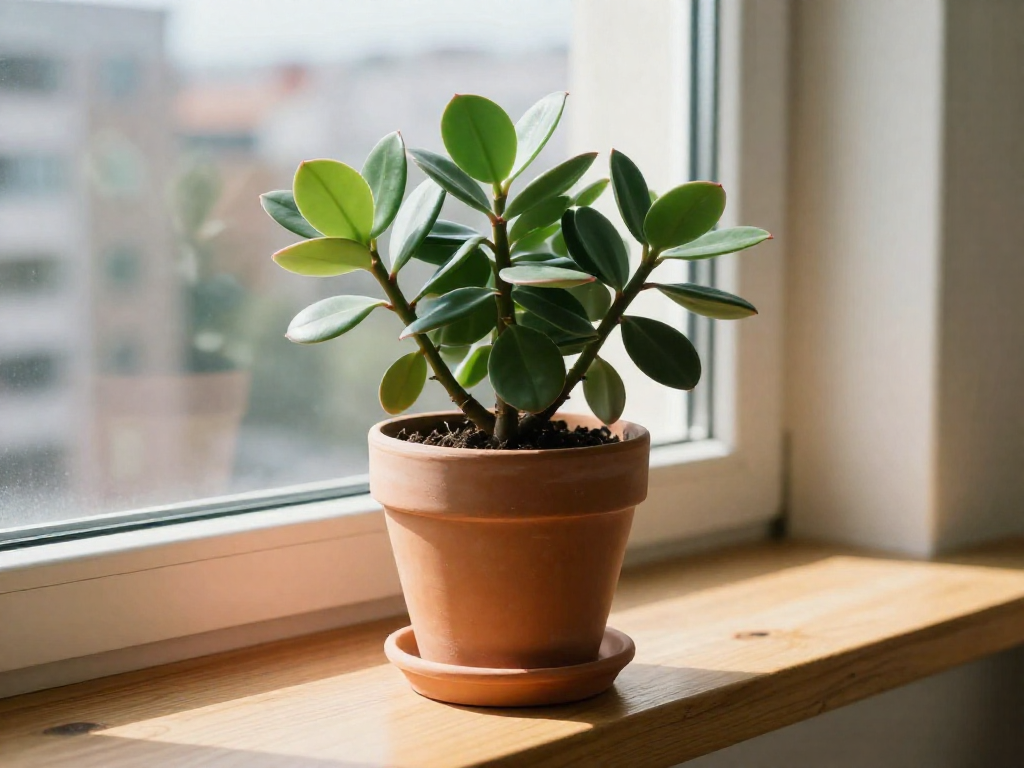
Jade Plant Care: The Easy Beginner Succulent Tree
Learn how to care for a jade plant indoors: watering, light, soil, plus simple pruning to shape a bushy little succulent tree. Beginner-friendly, step by step.
Jul 14, 2026 · 9 min read
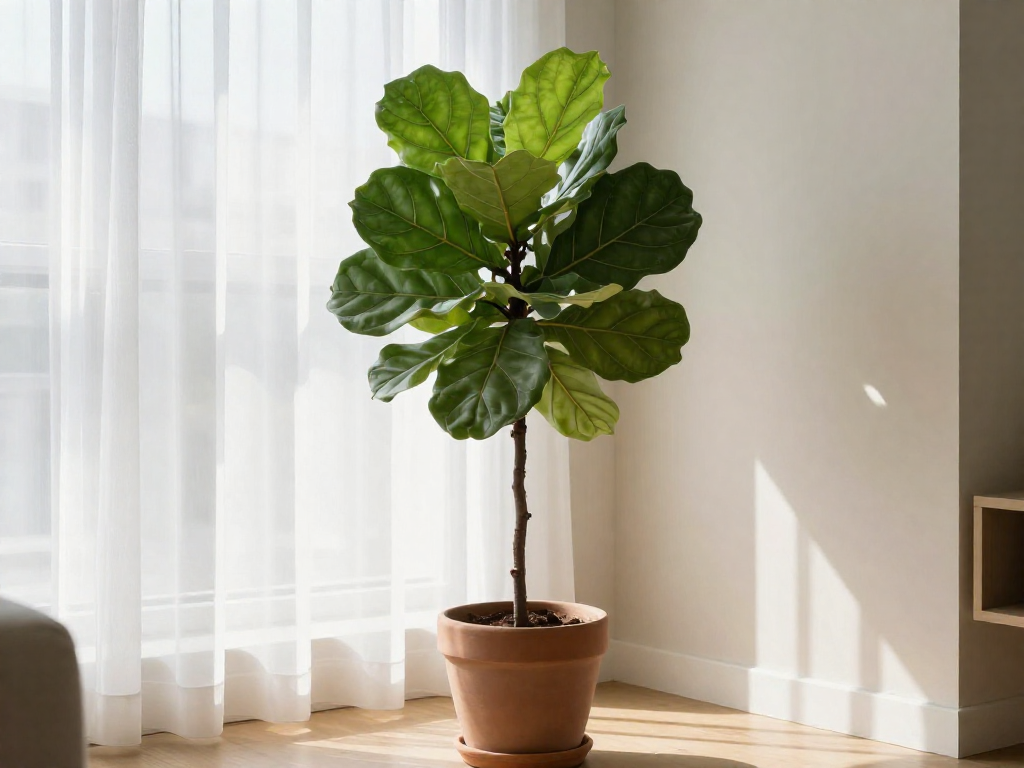
Fiddle Leaf Fig Care: Why It's Fussy and How to Cope
Can a beginner keep a fiddle leaf fig alive? An honest, plant-by-plant care guide covering light, watering, drafts, and how to fix brown spots and leaf drop.
Jul 14, 2026 · 12 min read