5 Best Beginner Houseplants You Can't Kill
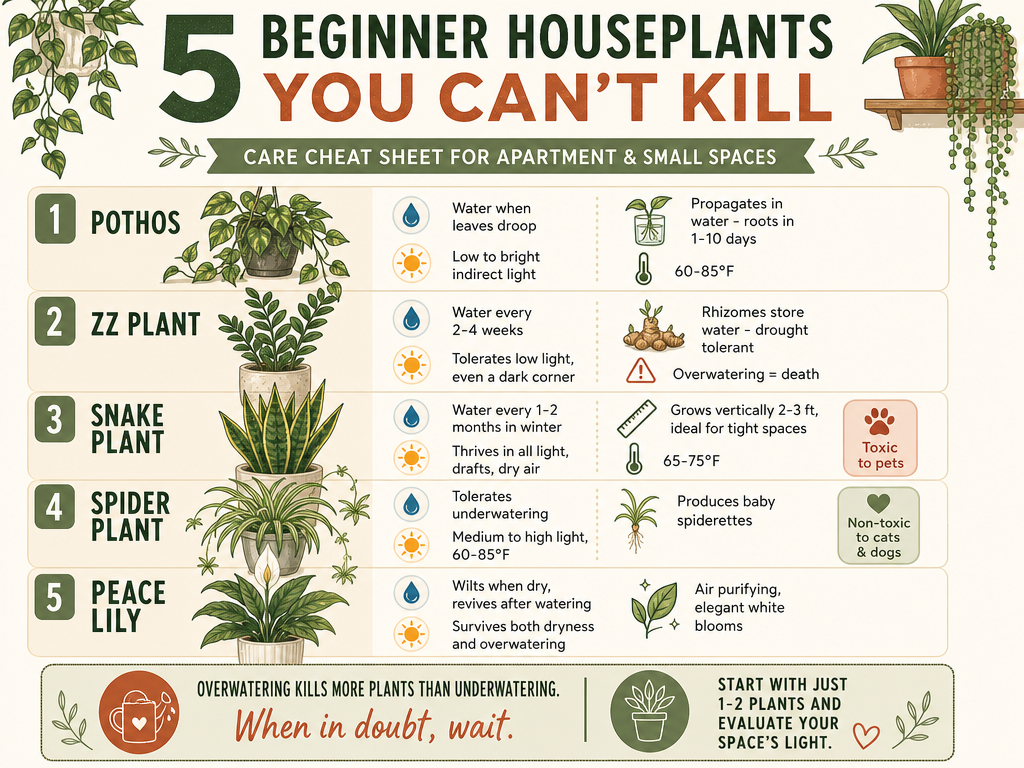
What are the easiest houseplants to start with?
On this page
Open by naming the real fear new plant parents have — killing the plant — then reframe: the trick isn't a green thumb, it's picking plants that forgive mistakes. Promise a forgiveness-ranked list where each pick includes exactly why it survives beginner errors (drooping cues, water-storing rhizomes, tolerance of dark corners). Set expectation that these thrive in apartments and low light.
Why "Forgiveness" Matters More Than a Green Thumb
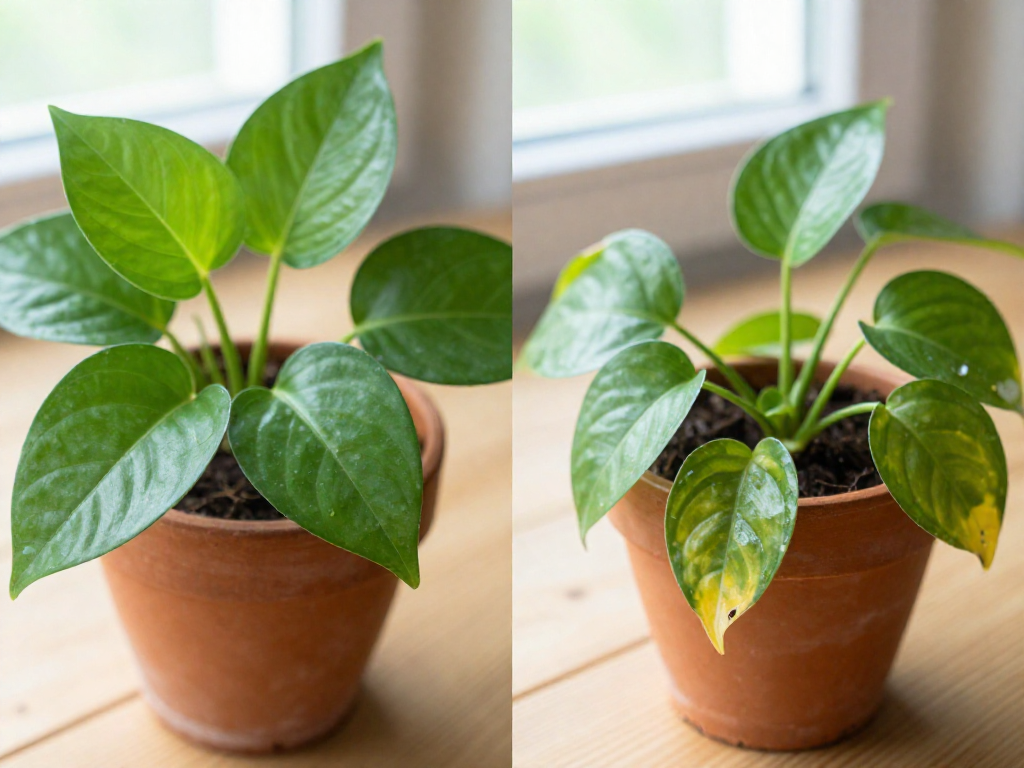
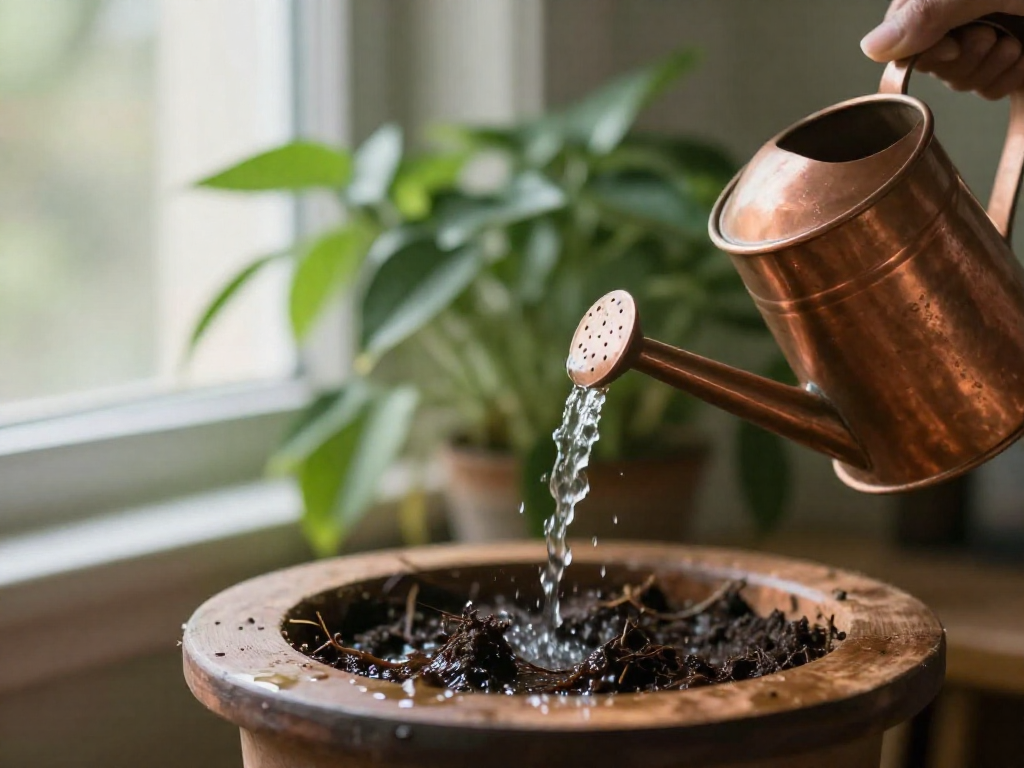
If your first houseplant died, it probably wasn't your fault — and you almost certainly don't need a "green thumb" to succeed. The single biggest beginner mistake is overwatering: giving a plant water before it needs it. Most experts agree it kills more houseplants than neglect ever does. The fix is simple: when in doubt, wait, and let the top inch of soil dry out before watering again.
That's why we rank these plants by forgiveness — how well they tolerate missed waterings, low light, and a too-small pot — instead of by how pretty they look. A forgiving plant survives your learning curve.
The list below goes most forgiving first, so the plants at the top bounce back from the most abuse.
One last tip before you shop: start with just one or two plants and see how they do in your specific apartment. Watch how much light your windows actually get, then add more once you've got the hang of it.
1. ZZ Plant — The One That Survives a Dark Cabinet
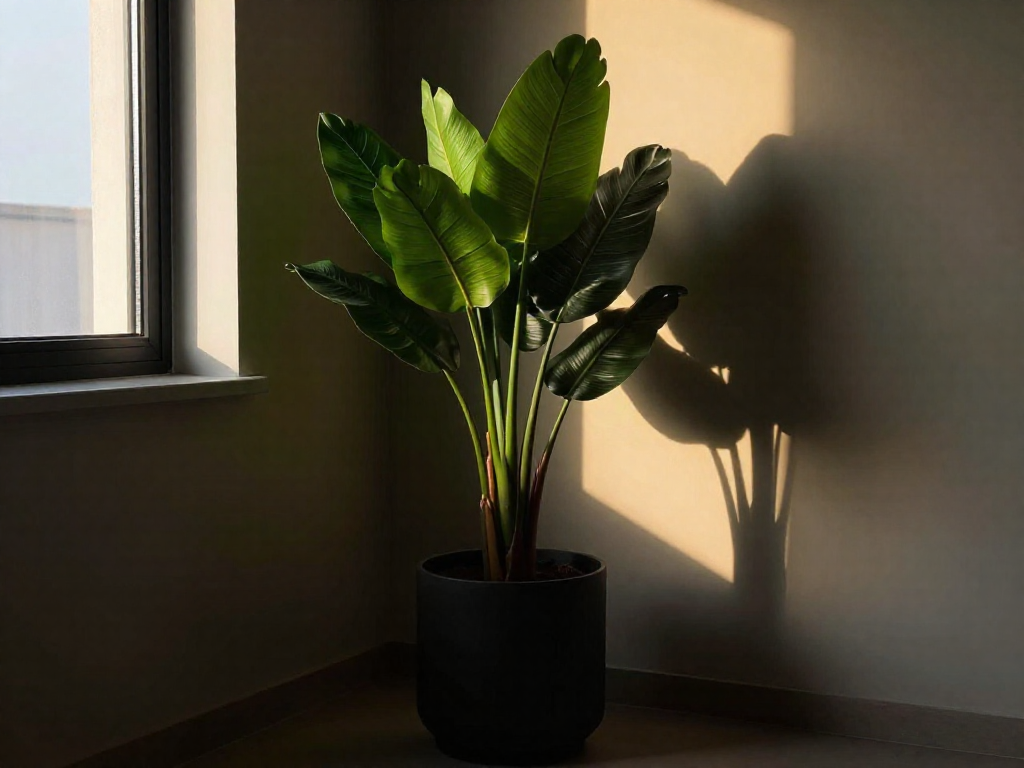
If you want the single most forgiving plant to start with, this is it. The ZZ plant (Zamioculcas zamiifolia, sometimes called the Zanzibar gem) is so tough that the Brooklyn Botanic Garden's own author waters his only about every three weeks — and Plant Savvy claims you can shut one in a dark cabinet for weeks and it will still survive.
The secret is underground. ZZ plants grow potato-like rhizomes — swollen underground stems that store water — which lets them coast through long stretches of drought and forgetful watering. That built-in reservoir is exactly why they shrug off the neglect that kills fussier plants.
How to keep it alive
- Water: Only every 2–4 weeks (closer to every 2–3 weeks in summer, 3–4 in winter). When in doubt, wait — overwatering is the number one way to kill a ZZ plant.
- Light: Tolerates low light, including dim corners. Bright, indirect light grows it faster, but it doesn't need it.
- Best for: Dark corners, frequent travelers, and anyone who forgets to water.
Fun fact: the ZZ is native to East Africa and belongs to the Araceae (arum) family — the same family as the peace lily further down this list.
Quick care summary
- Light: Low to bright indirect
- Water: Every 2–4 weeks; let soil dry out
- Soil: Well-draining potting mix
- Toxicity: Toxic if eaten — keep away from pets and kids
2. Snake Plant — The Vertical "Glutton for Punishment"
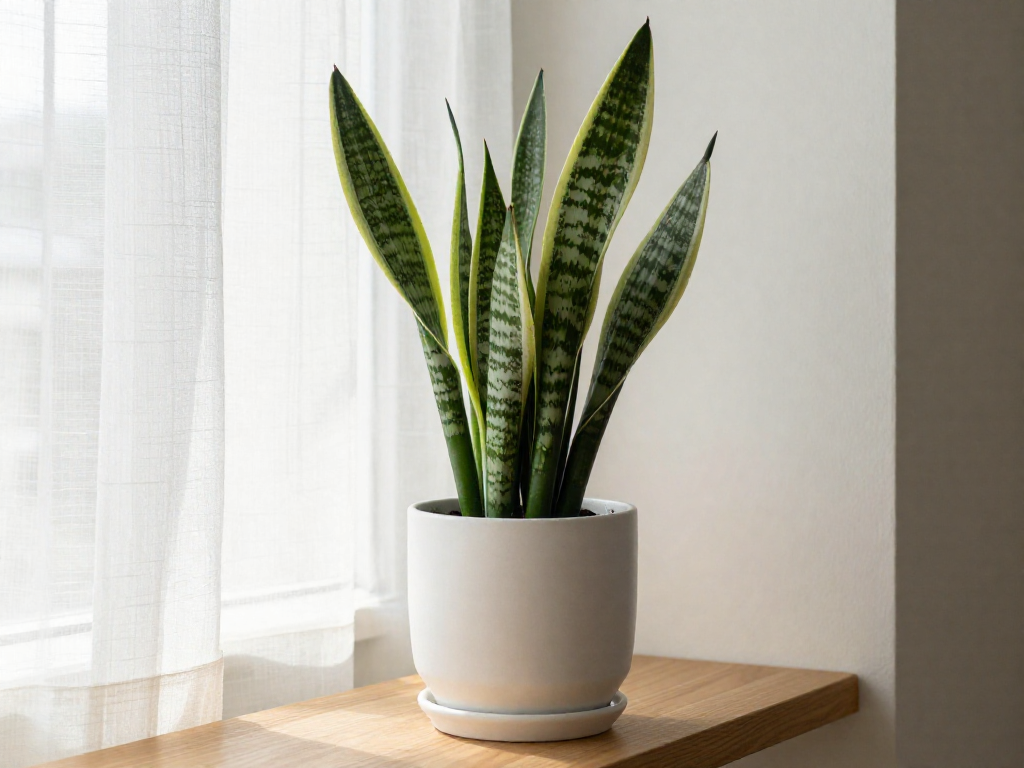
If the ZZ plant is hard to kill, the snake plant (Sansevieria, also sold as Dracaena trifasciata) may be even tougher. Growers describe it as "a glutton for punishment" and "pretty indestructible" — it shrugs off drafts, dry apartment air, and just about any light level, from a dim hallway to a bright window.
Its best feature for small spaces is the shape. Snake plants grow upward, with stiff, sword-like leaves reaching two to three feet tall while taking up almost no floor space. That vertical habit makes them ideal for tight corners, narrow shelves, or a spot beside the couch.
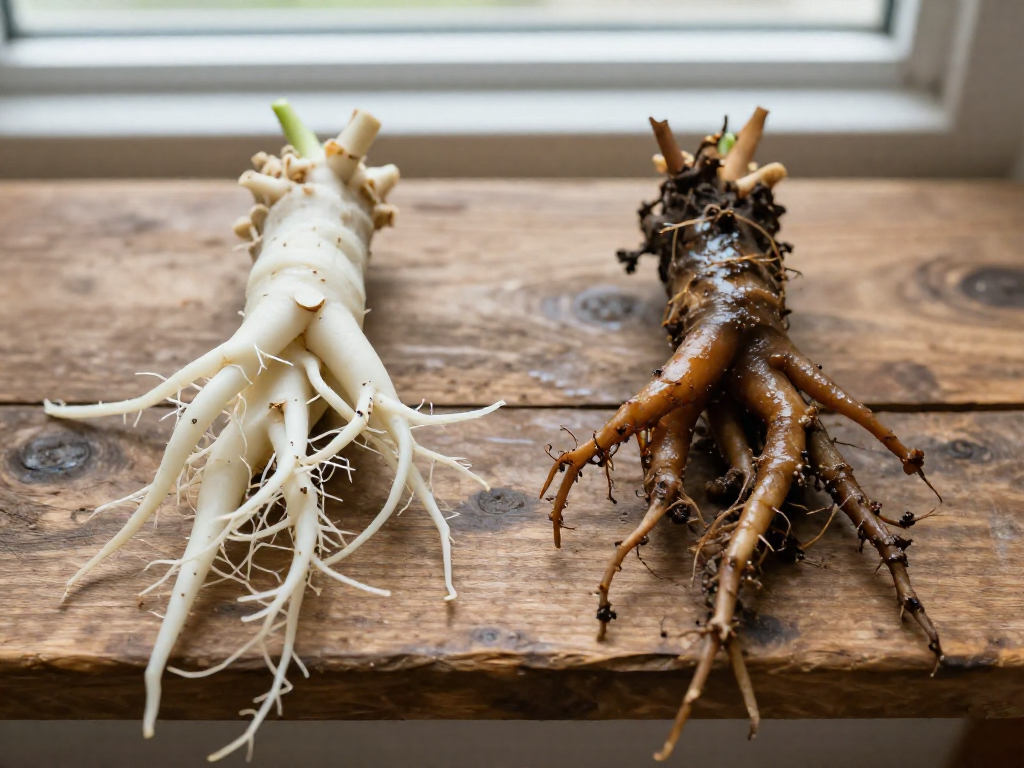
The one rule that matters: don't overwater it. A snake plant is a succulent — a plant that stores water in its thick leaves — so soggy soil quickly causes root rot (the roots decay and turn mushy). Let the soil dry out fully between waterings. In summer, that's roughly every 2–3 weeks; in winter, water very infrequently, just every 1–2 months.
Leave it alone and it will slowly send up new shoots on its own through underground stems called rhizomes. It's also a standout air purifier, ranking at the top of a NASA study for removing common indoor toxins.
Quick care summary
- Light: Any — low to bright indirect
- Water: Every 2–3 weeks (summer); every 1–2 months (winter); let soil dry fully
- Soil: Fast-draining, cactus/succulent mix
- Temperature: 65–75°F
- Toxicity: Toxic to cats and dogs — keep out of reach
3. Pothos — The Plant That Tells You When It's Thirsty
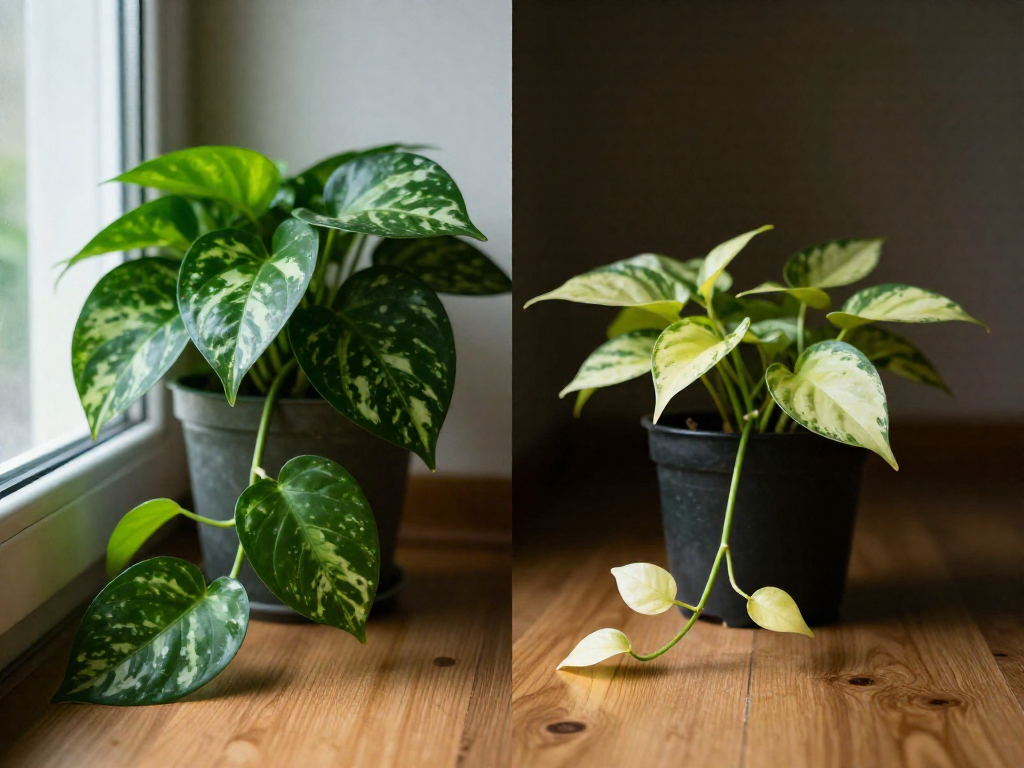
If you forget to water, pothos (Epipremnum species, a trailing vine with heart-shaped leaves) is the plant for you. When it gets thirsty, its leaves visibly droop — a clear, hard-to-miss signal. Give it a good drink and the leaves usually perk back up within a day. That built-in "water me" alarm makes it one of the most forgiving plants for beginners.
Light is just as easy. Pothos tolerates low to high light, so it does fine in most apartment corners. The one rule: keep it out of direct sun, which can scorch (burn) the leaves. A spot near a window with filtered light is ideal.
The real confidence-builder is propagation — growing new plants from cuttings. Snip a stem below a node (the small bump where leaves and roots emerge), drop it in a glass of water, and you'll see new roots in about 7 to 10 days. It costs nothing and gives you an early win.
It's also affordable: a trailing pothos in a 6-inch pot often runs under $20, so a rough start won't break the bank.
Quick-reference care
- Light: Low to high; avoid direct sun
- Water: When leaves droop or the top inch of soil is dry
- Soil: Standard well-draining potting mix
- Toxicity: Toxic to cats and dogs if eaten — keep out of reach
4. Spider Plant — The One That Makes Free Babies
If you want a plant that pays you back, the spider plant (Chlorophytum comosum) is it. It's beloved for its easy-going attitude and the bonus baby plants that dangle from long stems — free new plants, no extra cost.
It shrugs off missed waterings. Spider plants tolerate underwatering well, so a forgotten week won't sink it. Water when the top inch of soil feels dry, then let it drain fully.
It rewards small pots. Unlike most plants, a spider plant grows more vigorously when slightly root-bound (its roots crowd the pot). That makes it forgiving in the tight quarters of apartment living.
Free babies you can root. Mature plants send out "spiderettes" — little plantlets on the ends of arching stems. Snip one off, set it in water or moist soil, and it roots into a whole new plant.
Safe and clean. It's non-toxic, so it's fine if a curious cat takes a nibble, and it ranks among the top houseplants for cleaning indoor air.
Quick-reference care
- Light: Medium to bright, indirect
- Water: When top inch is dry
- Soil: Well-draining potting mix
- Toxicity: Non-toxic (pet-safe)
5. Peace Lily — The Dramatic Wilter That Bounces Back
Rounding out the list is the peace lily, the only flowering plant here — and the most theatrical. When it's thirsty, its leaves droop dramatically, like a waving white flag of surrender. Give it a drink and it usually perks right back up within hours. That built-in warning system makes it forgiving for beginners who forget a watering (or two).
The peace lily is also surprisingly relaxed about extremes at either end of the wetness scale, handling both dry spells and the occasional overwatering better than most. Its reward: white spathes — the leaf-like "petals" that many people mistake for flowers — that appear with almost no extra effort. It's also a NASA-listed air purifier that helps remove formaldehyde and benzene from indoor air.
One important caution: the peace lily is toxic to cats and dogs if chewed. If you have curious pets, place it on a high shelf or skip it.
Quick-reference care
- Light: Low to medium, indirect light
- Water: When the top inch of soil is dry — or when it wilts
- Soil: Standard well-draining potting mix
- Toxicity: Toxic to pets; keep out of reach
Skip These Beginner Mistakes (Care That Applies to All Five)
No matter which plant you picked, these five rules cover about 90% of what keeps beginners from killing their first houseplant.
- Let the soil dry before watering again. More plants die from overwatering than anything else. Stick a finger in the pot; if the top inch feels dry, water — if it's still damp, wait.
- "When in doubt, wait." A thirsty plant recovers fast; a waterlogged one rots at the roots. Skipping a watering is almost always safer than adding one.
- Match the plant to your light before buying, not after. Check where a spot gets bright, indirect, or low light, then choose a plant that fits it. Don't buy first and hope.
- Start with one or two plants, then expand. See how they do in your actual apartment before adding more.
- Check pet toxicity. Snake plant and peace lily are toxic to cats and dogs; spider plant is pet-safe. Place toxic plants out of reach.
Sources
- Top 5 Easiest Low-Light Houseplants — Plant Savvy — plantsavvy.com
- 15 Easy Indoor Plants for Beginners — provenwinners.com
- Pothos: Plant Care & Growing Guide - Houseplants — thespruce.com
- Pothos Plant Care: The Easiest Trailing Houseplant (2026 Guide) — joyusgarden.com
- ZZ Plant: A Narrative Guide - Brooklyn Botanic Garden — bbg.org
- ZZ Plant Care Guide: Growing The Glossy Zamioculcas Zamiifolia — joyusgarden.com
- 12 Best Low Maintenance Indoor Plants That Thrive on Neglect — planner5d.com
- 6 Houseplants for Beginners — Swansons Nursery — swansonsnursery.com
- Snake plant Care Guide — happyhouseplants.co.uk
- Best Indoor Plants Thrive With Low Light and Less Water — preen.com
- How do I take good care of indoor plants like a snake plant? — quora.com
See also
- Low-Light & Small-Space Setups category page
- How to tell when your houseplant needs water
- Best pet-safe houseplants for apartments
- How to propagate pothos and spider plants in water
- Signs of overwatering and how to fix root rot
Related articles
Should Beginners Buy Fake Plants Instead? An Honest Take
Wondering if real plants are worth it when your apartment is dark? An honest, evidence-based look at when to buy real, go fake, or add a grow light.
Jul 14, 2026 · 6 min read
How to Buy a Healthy Houseplant at the Store
Learn how to pick a healthy houseplant and avoid a sick one. A simple store checklist for inspecting roots, leaves, and pests before you buy.
Jul 14, 2026 · 11 min read
Essential Tools New Plant Parents Actually Need
The tools you actually need to start caring for houseplants—a minimal, under-$15 kit for apartment dwellers, plus the gadgets you can skip.
Jul 14, 2026 · 6 min read