How to Choose the Right Potting Soil for Houseplants
What soil should I use for my houseplants?
On this page
Start with the reader's real confusion at the garden center: dozens of bags labeled "soil," "mix," "cactus," "orchid," and no idea which one won't kill their plant. Promise a simple, plant-by-plant matching approach that skips the jargon and gets them to the right bag fast.
Potting Soil vs. Potting Mix vs. Garden Soil (What the Bags Actually Mean)
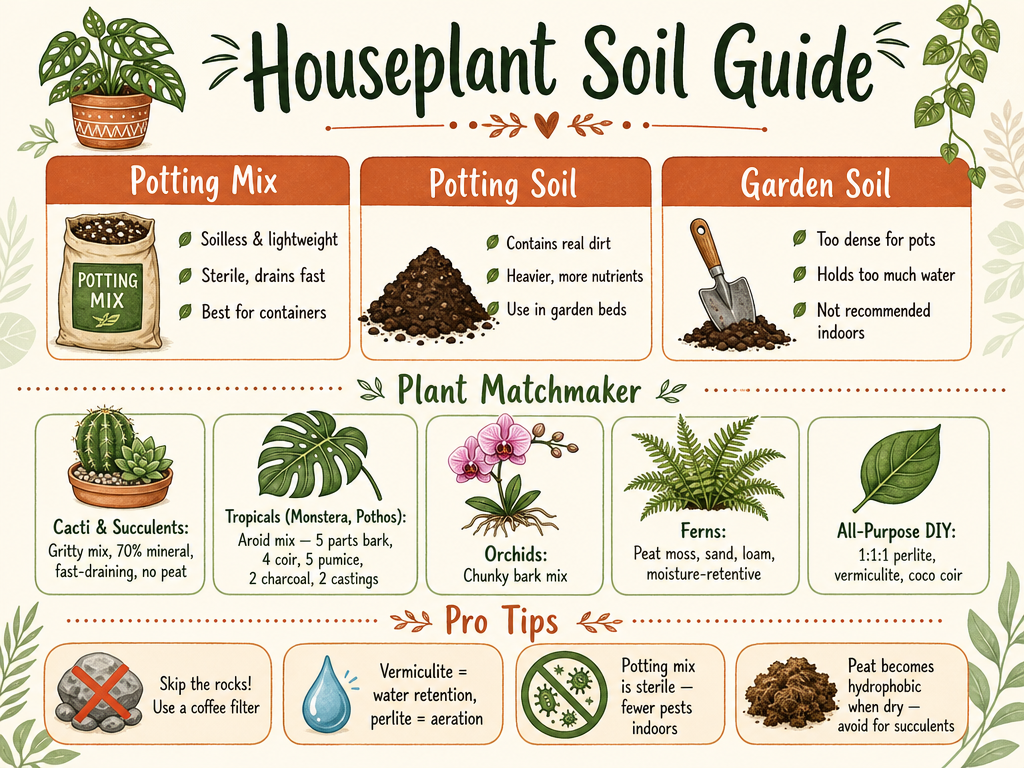
If you're standing in the store wondering which bag to grab for your houseplants, here's the short answer: reach for a bag labeled "potting mix." For plants growing in indoor containers, potting mix is almost always the right choice. The three products below look interchangeable, but they behave very differently once they're in a pot.
The names sound the same, but they aren't. Here's how to decode each label at a glance:
- Potting soil contains real dirt and organic matter. That makes it heavier and more nutrient-rich, but also slower to drain—better suited to outdoor beds or large pots that need extra structure.
- Potting mix is soilless (it contains no actual dirt). It's lightweight and built specifically for good drainage and aeration—the movement of air to plant roots—inside the tight space of a container.
- Garden soil is meant for the ground outside, not pots. Never use it indoors.
Why the difference matters: In a container, roots need air as much as they need water. Potting mix has a fluffy texture that lets water and air reach the roots and drains off the excess, which helps prevent root rot (when roots sit in soggy soil and start to decay). Garden soil does the opposite—it's too dense, holds too much water, and effectively suffocates roots that can't breathe or drain.
One trade-off to know: Potting mix is sterile, so you'll deal with fewer fungus gnats and soil-borne pests indoors—a real perk in a small apartment. The catch is that it expires faster. Ingredients like peat moss break down over time, so plan to refresh your mix every year or two rather than letting it pack down and compact.
Bottom line: for indoor pots, buy potting mix, and save "potting soil" and "garden soil" for the balcony or backyard.
Why the Right Mix Matters: Drainage, Aeration, and Root Rot
Here's the one idea that makes every "which soil?" decision easier: roots need air just as much as they need water. A good potting mix is fluffy, so both water and air can move down to the roots inside the pot. That air is what keeps roots healthy—aeration (the amount of air pockets in the soil) is essential, and it's also what lets excess water drain away instead of pooling.
When a mix is too dense, water gets trapped and roots sit in soggy soil. Deprived of oxygen, they begin to rot. That's root rot, and its warning signs show up above the soil as yellowing or browning leaves.
The tricky part: even ordinary potting soil can suffocate roots over time. Most bagged soil is mostly peat moss with a little perlite. It holds water beautifully, but as roots grow and repeated watering packs the soil down, it gets denser and denser—less air, more trapped water, and eventually the same rot problems.
So when you see "cactus mix" or "tropical mix" on a shelf, don't overthink it. Matching a mix to a plant really comes down to one question: how fast does this plant want to dry out? Fast-drying plants like succulents need a gritty, airy mix; moisture-lovers need one that holds water longer. Everything that follows is just that principle, plant by plant.
Match the Mix to Your Plant: A Plant-by-Plant Guide
Most bagged potting soil falls into four categories you'll see at any garden center: all-purpose, African violet/tropical, cactus, succulent, citrus & palm, and orchid. Here's which one your plant actually wants.
Leafy tropicals: pothos, philodendron, monstera
These are aroids—a plant family with thick, air-loving roots. Reach for an all-purpose potting mix or a labeled "aroid mix." You want good drainage plus organic content that holds some moisture. A common aroid blend combines orchid bark, coco coir, pumice, charcoal, and worm castings so roots get air, water, and nutrients at once.
- Light: bright, indirect
- Water: when the top inch of soil is dry (roughly every 7–10 days)
- Soil: all-purpose or aroid mix
- Toxicity: toxic to cats and dogs if eaten
Succulents & cacti
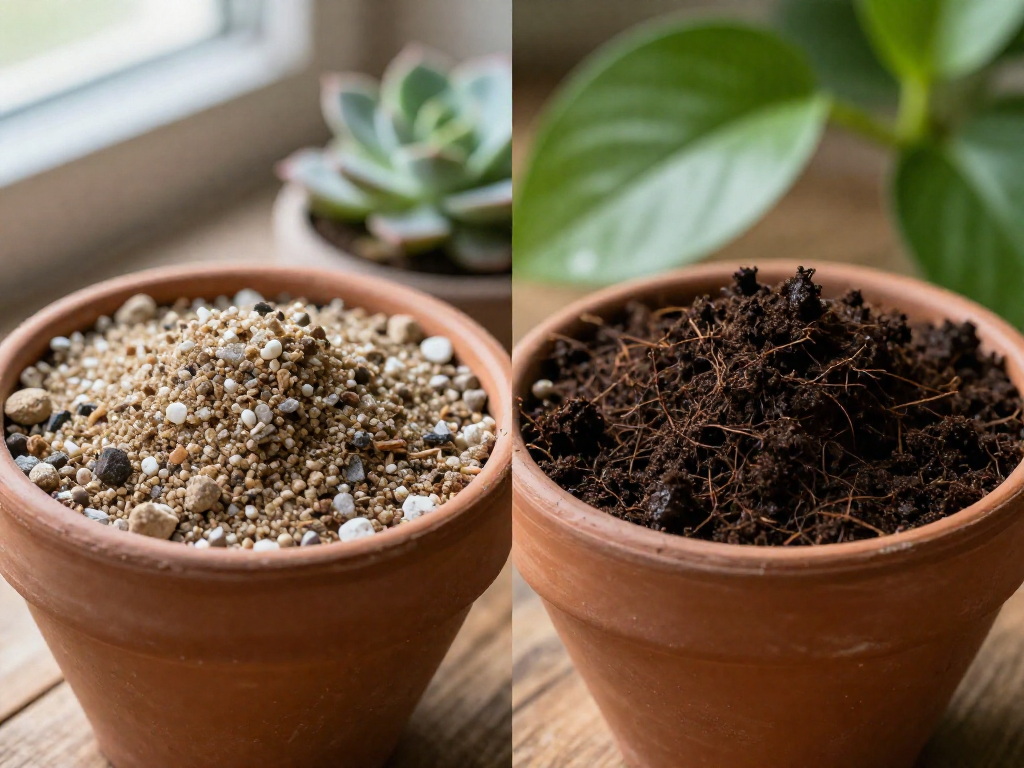
These need a gritty mix—fast-draining soil made mostly of mineral material like sand, perlite, and pumice. A good one should drain almost instantly when you pour water through and dry out completely between waterings. Aim for roughly two-thirds mineral grit by volume. Avoid mixes made with straight peat (a spongy, dried bog material); when peat dries out it repels water instead of soaking it up. If a "succulent soil" looks dark, light, and fluffy like regular potting soil, it's the wrong bag.
- Light: bright, direct
- Water: deep soak only when soil is fully dry
- Soil: cactus/succulent (gritty) mix
- Toxicity: most are non-toxic; check your specific variety
Orchids
Orchids don't grow in soil at all. Use a chunky, bark-based orchid mix that lets air reach the roots—regular potting soil will suffocate and rot them.
- Soil: bark-based orchid mix, never soil
African violets & other moisture-lovers
Choose a moisture-retentive mix—one built to stay damp—usually made with peat moss or coco coir. The African violet/tropical bag is made for exactly this.
- Water: keep evenly moist, not soggy
Ferns
Ferns want the best of both: high organic content that drains freely but stays moist. An all-purpose mix with extra peat or coir works well.
- Water: keep consistently moist; never let it dry out fully
Quick rule: leafy tropicals → all-purpose/aroid; succulents → gritty; orchids → bark; violets and ferns → moisture-holding.
Reading the Label: How to Spot a Good (or Fake) Mix
You don't need to memorize every product on the shelf. You just need a quick filter you can run at the checkout line—especially for succulents and cacti, where the wrong bag causes the most trouble.
Pick it up. A real succulent or cactus mix feels heavy and gritty because it's mostly mineral: roughly 70% pumice, lava rock, and coarse sand, with only about 30% organic matter (the compost or coir that holds a little moisture and nutrients). If a bag labeled "succulent soil" feels light, fluffy, and dark like regular potting soil, put it back—it's the wrong product for plants that need to dry out fast.
Check for peat. Peat (a spongy, water-holding material from peat bogs) is a red flag in succulent and cactus mixes. When peat dries out it becomes hydrophobic—meaning it repels water instead of soaking it up. Since you water succulents by letting them fully dry, then drenching, dry peat sheds the water before it reaches the roots. Avoid straight peat or peat-heavy mixes here.
Quick label checklist for succulent/cactus mix:
- Mostly mineral grit (pumice, lava rock, coarse sand), not soft and fluffy
- Little to no peat, garden soil, or heavy compost
- Feels heavy in the bag
A good gritty mix drains almost immediately and stays porous for 2–3 years without packing down.
Amendments: The Add-Ins That Fix a So-So Bag
You don't need a separate specialty bag for every plant. A cheap all-purpose potting mix becomes the right mix once you stir in a handful of amendments—the loose materials that adjust how fast a soil drains and how much water it holds.
Here's what each one does and when to reach for it:
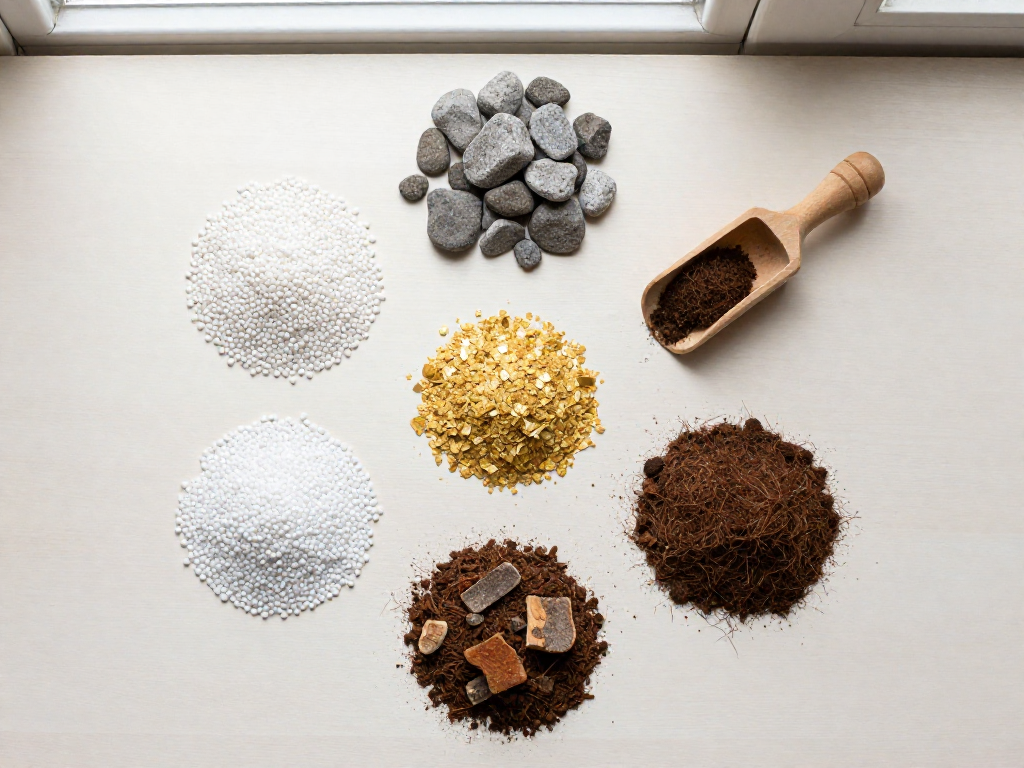
- Perlite (the white foam-like bits): adds air pockets and drainage. It's cheap, sold at nearly every garden center, and the easiest way to loosen a dense bag. Add a scoop or two for most houseplants.
- Pumice or lava rock: heavier stones that boost drainage without floating to the top when you water. Better than perlite for succulents and cacti, which need soil that dries fast.
- Vermiculite (a spongy flake): the opposite of perlite—it holds water and nutrients. Great for seed-starting and thirsty tropicals, but skip it for succulents.
- Coco coir or peat moss: the moisture-holding base of most mixes. Coir is the more sustainable choice.
- Orchid bark, charcoal, and worm castings: bark and charcoal add chunky air space (ideal for aroids like pothos and monstera), while worm castings feed plants slowly and naturally.
Quick rule: want faster drainage? Add perlite or pumice. Want more moisture? Add vermiculite or coir.
Easy DIY Recipes for Common Houseplants
Want to mix your own and save a few dollars? These four recipes cover most apartment plants. Measure by "parts" (any scoop works—a cup, a yogurt tub) and keep the ratios the same to scale up or down. A quick term: coco coir is shredded coconut husk that holds moisture, and perlite and pumice are lightweight mineral bits that add air and drainage.
All-purpose (good for most starter plants) 1 part perlite : 1 part vermiculite : 1 part coco coir. A balanced mix with solid water retention and aeration, using ingredients you'll find at any garden center.
General houseplant (a little richer) 50% coco coir or peat moss : 25% orchid bark or perlite : 25% worm castings. The coir/peat is the base; worm castings add gentle nutrients.
Succulent & cactus (fast-draining) 1 part organic : 2 parts mineral grit (sand, perlite, or pumice)—about two-thirds grit by volume. This dries quickly so roots don't sit wet.
Aroid mix (for pothos, monstera, philodendron, ZZ) 5 parts orchid bark : 4 parts coco coir : 5 parts pumice : 2 parts charcoal : 2 parts worm castings. Chunky and airy for thick, air-loving roots.
No pumice? Swap in perlite or lava rock.
Potting Do's and Don'ts
No matter which mix you choose, a few habits protect your plant's roots.
Do:
- Use a pot with a drainage hole. Excess water needs somewhere to escape, or roots sit in soggy soil and rot.
- Lay a coffee filter over the hole. It keeps soil from washing out while still letting water drain freely.
- Repot when the mix stops draining or packs down into a dense block—usually a sign it has broken down and no longer holds air.
Don't:
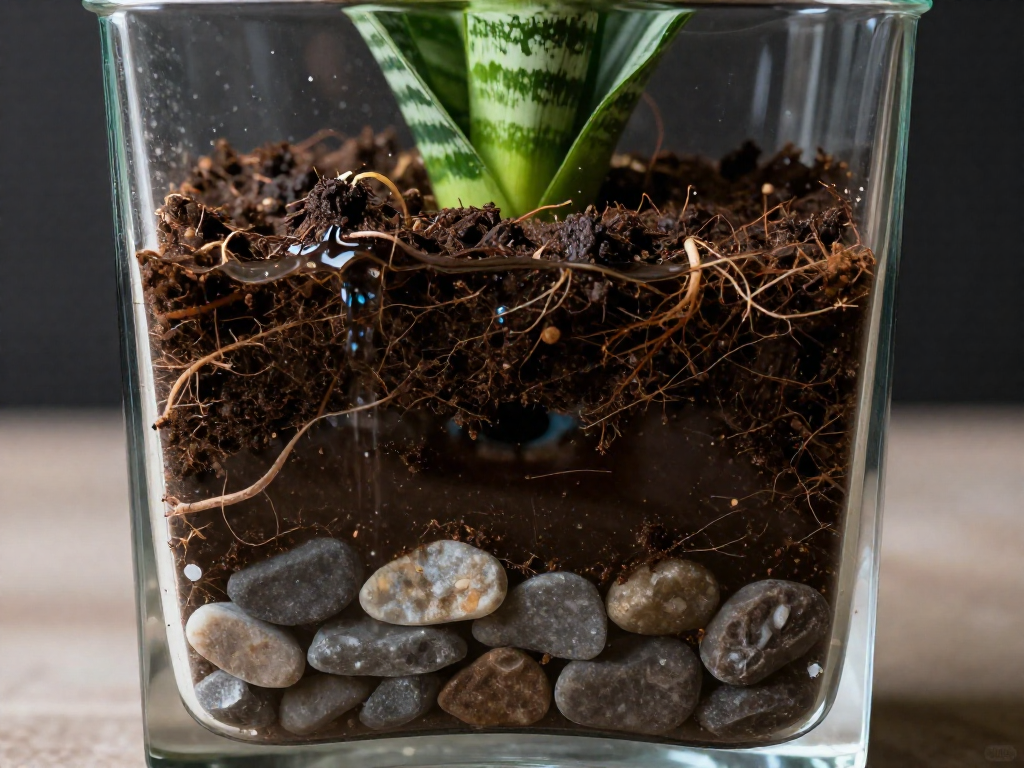
- Skip the "drainage layer" of stones or broken pottery. This popular tip actually backfires. Instead of helping water escape, it raises the waterlogged zone up into the root ball, leaving roots sitting in wet soil. Skip it—the drainage hole and a filter are all you need.
Sources
- Potting Soil vs. Potting Mix — The Difference, Pros & Cons, How to Choose — myplantin.com
- The Difference Between Potting Soil and Potting Mix — thespruce.com
- Potting Soil vs Garden Soil: What's the Difference - Westwood Gardens — westwoodgardens.com
- Molly's Gritty Mix for Cactus & Bonsai | Veryplants — veryplants.com
- DIY SUCCULENT SOIL MIX & what to look for in pre-made mixes — youtube.com
- My DIY Aroid Soil Mix Recipe – Hoya Treasures — hoyatreasures.com
- Ferns: Indoor Growing | Home Garden Education Office | University of Connecticut — homegarden.cahnr.uconn.edu
- Best Soil For Indoor Plants: Potting Mix & Amendments — joyusgarden.com
- How to Make Your Own Potting Mix (and Why You Should DIY) - Bootstrap Farmer — bootstrapfarmer.com
- Houseplant potting soil recipe with coco coir — facebook.com
See also
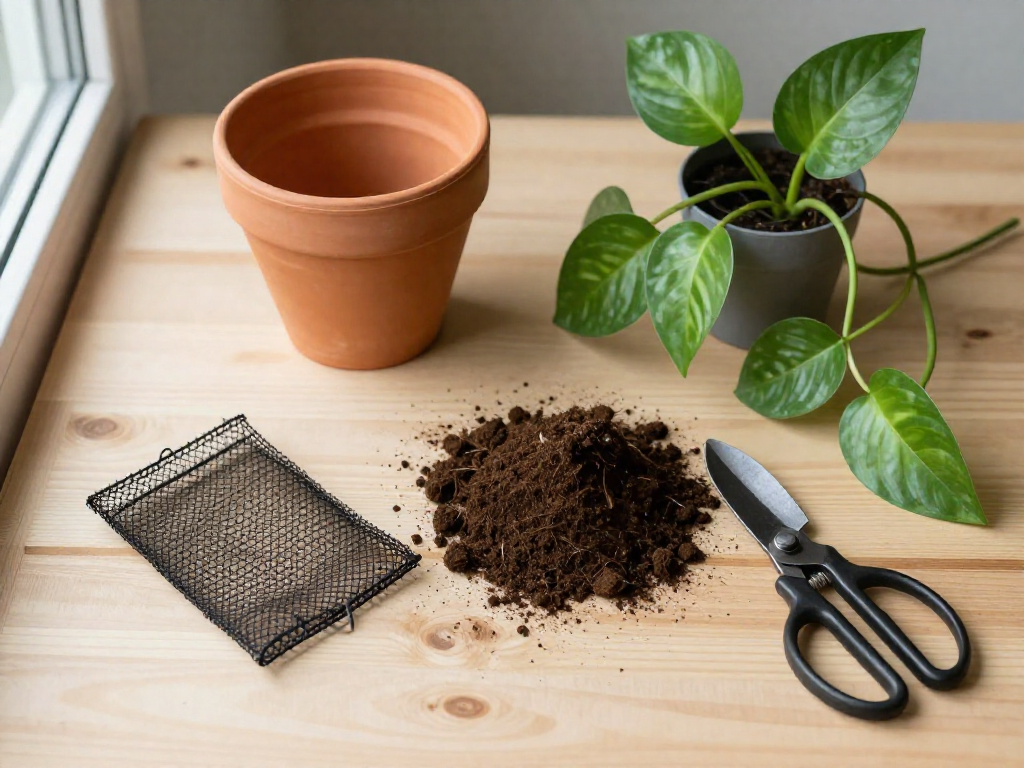
- How Often Should You Water Houseplants
- Understanding Light Levels for Indoor Plants
- Best Low-Maintenance Houseplants for Beginners
- How to Prevent and Fix Root Rot
Related articles
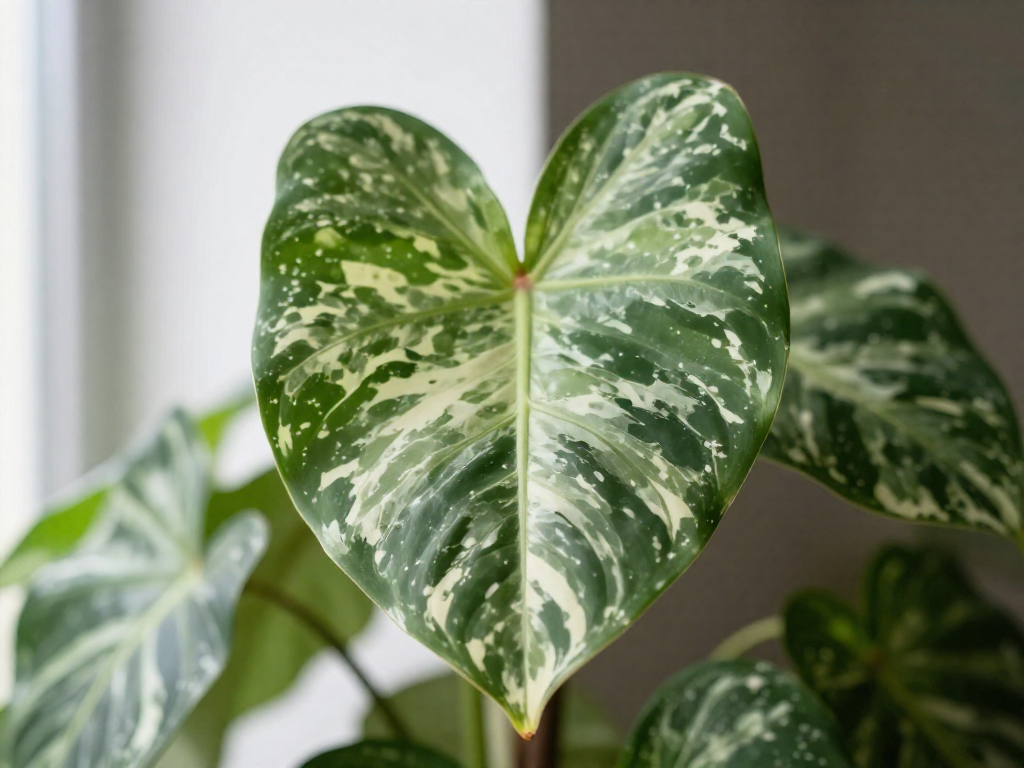
A Beginner's Glossary of Houseplant Terms
Confused by plant jargon? This plain-language glossary defines the houseplant terms beginners hit most—nodes, variegation, perlite, root-bound and more.
Jul 14, 2026 · 6 min read
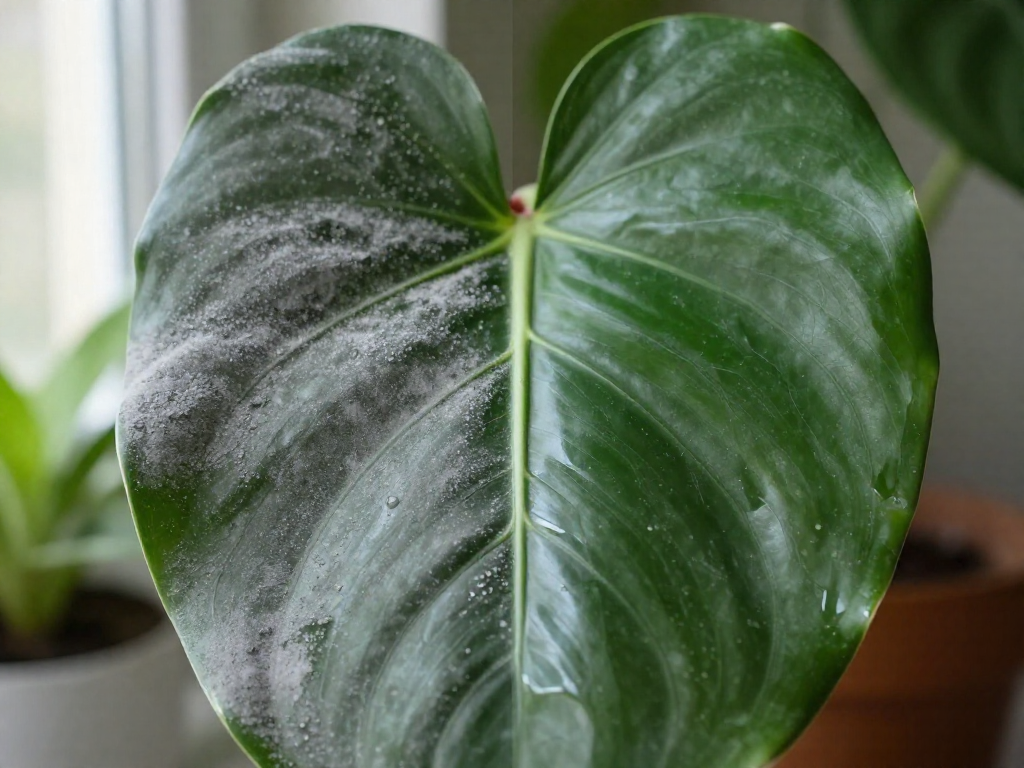
How to Clean Dusty Houseplant Leaves (and Why It Matters)
Dusty leaves block light and slow plant growth. Learn the simple, safe way to clean houseplant leaves by type—plus what to avoid, like leaf shine sprays.
Jul 14, 2026 · 6 min read
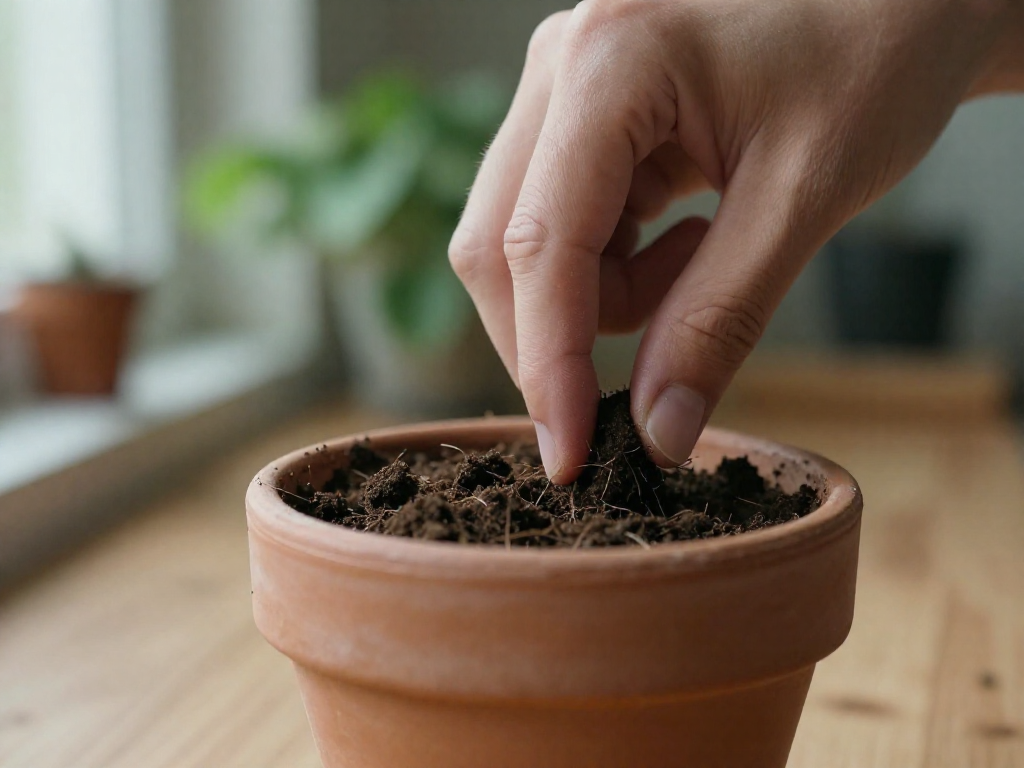
Winter Houseplant Care: Watering and Light When Days Get Short
Learn how to care for houseplants in winter: cut back watering, boost light and humidity, and pause feeding so your plants survive short, dark days.
Jul 14, 2026 · 11 min read